
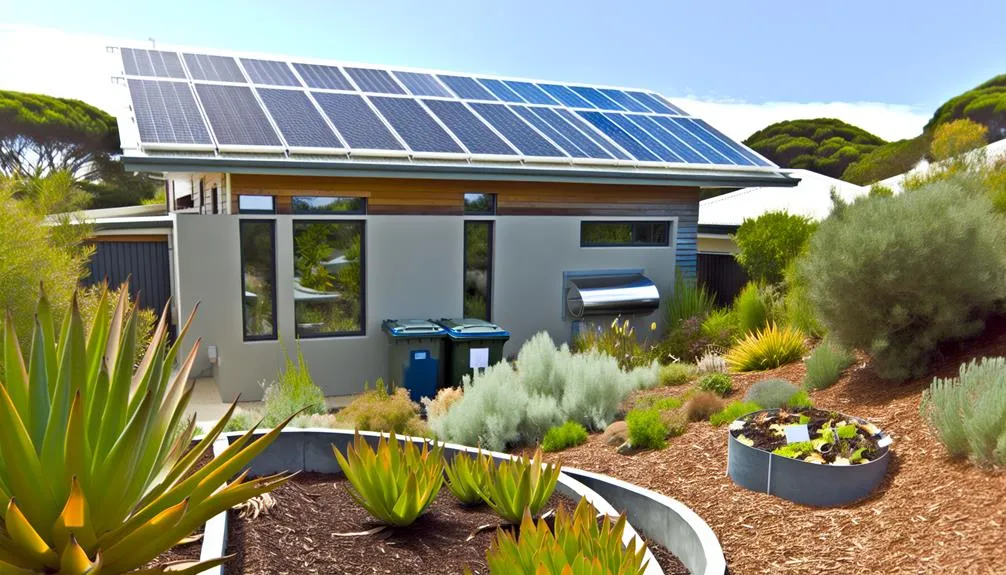
When you're looking into green home investments, it's exciting to make smart choices that help the environment and your finances.
Exploring the top three tips for boosting sustainability and property value gives you a strong start on your path to a greener home.
By focusing on energy efficiency, the advantages of solar panels, and water conservation, you're not just making a good investment; you're creating a more eco-friendly living space that fits in with today's sustainability goals.
Key Takeaways
When it comes to saving money on your energy bills, investing in Energy Star appliances is a smart move. These appliances are designed to be more energy-efficient, helping you cut down on your electricity costs in the long run.
Another great way to reduce your energy bills is by considering solar panel installation. Harnessing the power of the sun can significantly lower your reliance on traditional electricity sources, leading to savings over time.
Upgrading to low-flow fixtures and water-saving systems can also make a big difference in your utility expenses. By using less water, you not only save money but also contribute to conservation efforts.
If you're looking to build or renovate your home, opting for sustainable construction materials like bamboo and recycled steel is a sustainable choice. These materials are eco-friendly and durable, offering a long-lasting solution for your construction needs.
Additionally, incorporating passive house design principles can lead to significant energy savings. By maximizing natural light and airflow, you can reduce your reliance on artificial heating and cooling systems, resulting in lower energy bills.
By making these conscious choices in your home, you can not only save money but also contribute to a more sustainable future for our planet.
Energy-Efficient Appliances Selection
When you're outfitting your eco-friendly home with energy-efficient appliances, make sure to go for Energy Star certified models. These appliances are designed to cut down on energy usage by 10-50% compared to regular models, which means big savings on your utility bills. Opting for Energy Star appliances not only helps the environment but also puts more money back in your pocket, potentially saving you up to $575 every year.
Certain types of energy-efficient appliances really shine in terms of performance. Take front-loading washing machines, for example. They use 40% less water and 50% less energy than the traditional top-loading ones, making them a top choice for homeowners aiming to reduce their energy and water consumption. Similarly, refrigerators with top or bottom freezers are more energy-efficient than side-by-side models. Choosing these configurations can boost the overall energy efficiency of your kitchen appliances.
Investing in energy-efficient appliances doesn't just benefit your wallet in the short term through lower utility bills; it also adds long-term value to your home. Studies show that such investments can bump up your property's value by as much as 5%. So, when you're deciding which appliances to bring into your green home, going for Energy Star certified models isn't just a smart move—it's a financially savvy one too.
Solar Panel Installation Benefits
When you decide to equip your home with solar panels, you're not just cutting down on your electricity expenses. You're diving into a world of benefits that can revolutionize your energy consumption. By tapping into solar power, you can slash your electricity bills by a whopping 50-100%, leading to significant long-term savings. Moreover, the installation of solar panels can bump up your property value by an average of $15,000, making it a smart investment for any homeowner.
One of the standout perks of solar panels is their positive impact on the environment. Solar energy is a sustainable and renewable source that aids in shrinking your carbon footprint and reducing reliance on fossil fuels, ultimately contributing to a cleaner, greener planet. What's more, the cost of solar panels has plummeted by an impressive 70% over the past decade, making them a more budget-friendly option for homeowners keen on making an eco-conscious investment in their property.
Homeowners can also reap the benefits of various financial incentives, including federal tax credits, rebates, and other perks tailored to promote the adoption of solar panels. These incentives help offset the initial installation costs, making solar panels an even more appealing choice for those aiming to save money and diminish their environmental impact in the long haul.
Water Conservation Strategies
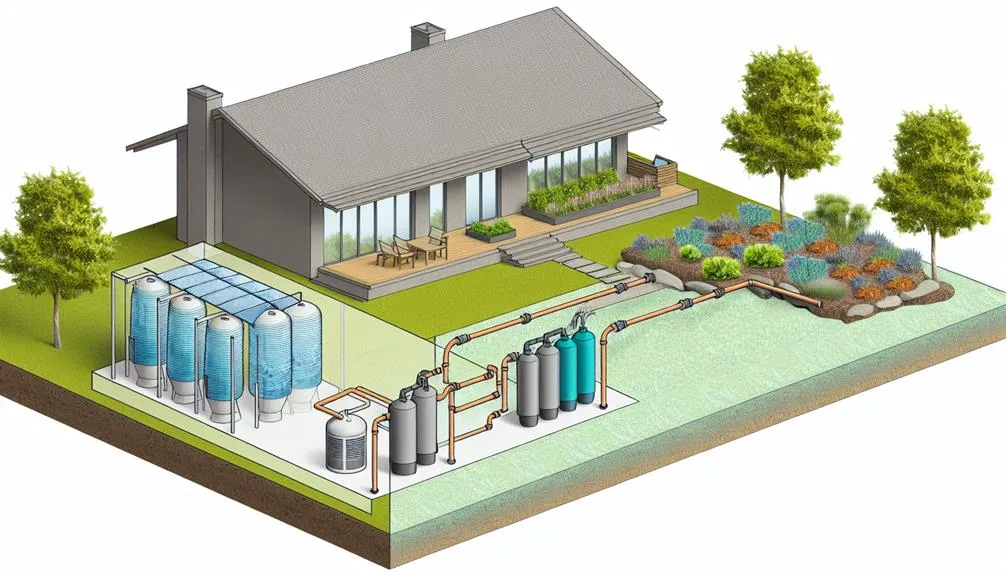
Looking to boost your home's water-saving efforts? It's a smart move that not only helps the environment but also trims down your bills. Here are some practical strategies to cut back on water use and save some cash:
- Upgrade to Low-Flow Fixtures: Switching to low-flow fixtures can slash your water usage by up to 60%, giving your wallet a break while conserving this precious resource.
- Harvest Rainwater: By setting up a rainwater harvesting system, you can save around 50,000 gallons of water each year. It's a sustainable way to reduce your reliance on traditional water sources.
- Fix Leaks ASAP: Don't let leaks linger – they could waste up to 10,000 gallons of water annually. Tackling them promptly can make a big difference in your water conservation efforts.
- Opt for Water-Smart Landscaping: Embrace water-efficient landscaping practices to save up to 20,000 gallons of water every year. It not only looks great but also helps in water conservation.
- Install Greywater Systems: Greywater systems can cut down water usage by up to 40%, allowing you to reuse water for non-potable purposes. It's a sustainable choice that aligns with your conservation goals.
These tips come from personal experience and can make a real impact on your water usage and bills. Give them a try and see the difference they can make in your home.
Sustainable Materials for Home Construction
When it comes to building a sustainable home, choosing the right materials can make a world of difference. Imagine creating a space that not only looks great but also helps the environment. Sounds like a win-win, right?
Let's start with materials like bamboo and reclaimed wood. These gems not only add a cool vibe to your home but also reduce the need for new resources. By opting for recycled steel and concrete, you're not just preventing waste from piling up in landfills but also cutting down on the environmental impact of your construction projects.
Now, let's talk about keeping your home cozy and energy-efficient. Ever heard of cellulose and wool insulation? These wonders can work wonders for your home's thermal performance, keeping you snug while slashing your energy bills. It's like getting a two-for-one deal – comfort and savings rolled into one.
And hey, don't forget about the importance of using low VOC paints and finishes. They may not sound glamorous, but they're crucial for maintaining a healthy indoor environment. With fewer volatile organic compounds floating around, you and your family can breathe easy and stay safe.
Looking up, sustainable roofing materials like metal or solar tiles are all the rage. Not only do they amp up your home's eco-friendliness, but they're also super durable. Talk about a smart investment that pays off in the long run.
Government Incentives for Green Homes
When it comes to making your home more eco-friendly, government incentives can be a game-changer. They offer enticing rebates and tax credits for upgrades and appliances that help reduce your carbon footprint. These incentives not only make green home investments more affordable but also more appealing.
Here are some key government incentives for green homes that you might find useful:
- Get up to $14,000 in rebates for electric appliances and clean energy upgrades.
- Score a $2,000 tax credit or up to an $8,000 rebate when you swap out your A/C or furnace for electric heat pumps.
- Low-income households can benefit from discounts under programs like HEEHRA and HOMES that promote energy efficiency.
- Keep an eye out for the Inflation Reduction Act, which will introduce incentives like IRA Residential Energy Rebates in California starting in 2024.
- Federal tax credits kicking in from Jan 1 can bring financial perks for green home improvements.
These incentives can be a real boost for homeowners looking to go green and save some green in the process.
Energy Audit Importance for Homeowners
Hey there, as a homeowner, you know how important it's to keep your energy bills in check. That's where an energy audit comes in handy. It helps you figure out where your home might be wasting energy. By looking at how you use energy, the quality of your insulation, and any sneaky air leaks, you can find ways to save money and make your home more efficient.
This assessment gives you personalized tips on eco-friendly upgrades that not only cut costs but also boost your home's coziness. So, get ready to make your space more energy-efficient and comfortable!
Audit Benefits Explained
When you decide to get an energy audit for your home, you're opening the door to valuable insights on where your energy is being wasted. This can help you figure out the best ways to save energy and money. By investing in an energy audit, you'll get a detailed report on how your home uses energy and where it can be improved.
Here are some key benefits:
- Spot where energy is being wasted
- Figure out the most cost-effective upgrades
- Enhance your comfort and the quality of air indoors
- Boost your home's sustainability
- Use tools like thermal imaging to pinpoint where heat is escaping
Understanding the results of your energy audit gives you the power to make smart choices that can make your home more energy-efficient and eco-friendly.
Cost-Saving Strategies Revealed
When you figure out where your home is losing energy and how it's affecting your wallet, you can start making smart money-saving moves after a home energy audit. This audit helps pinpoint energy waste like heat escaping, drafty spots, and old appliances gobbling up electricity, all adding to those hefty bills.
Green Upgrades Suggestions
When it comes to boosting your home's energy efficiency and cutting down on utility bills, a deep dive into a home energy audit is key.
This audit uncovers where your home may be losing heat, points out pesky air leaks, and spots areas that gobble up energy.
Armed with this info, you can make savvy choices on eco-friendly upgrades that not only help the planet but also save you some serious cash in the long run.
Landscaping for Energy Efficiency
If you're looking to make your home more energy-efficient, consider planting shade trees strategically and adding green roofs. These simple steps can have a big impact on reducing your energy consumption.
Shade trees not only cool your home naturally but also lower the temperature of your roof, saving on cooling costs. By designing your landscaping thoughtfully, you'll not only enhance the look of your property but also create a more eco-friendly and efficient living space.
It's a win-win for both your wallet and the environment!
Planting Shade Trees
Planting shade trees strategically around your home can work wonders in cutting down air conditioning expenses and boosting energy efficiency. Here's why it's a smart move:
- Slash AC Costs by Up to 50%: Trees naturally cool your surroundings, easing the strain on your air conditioner.
- Chill Attic Temps: With mature trees shading your roof, your attic stays cooler, reducing the need for constant cooling.
- Cooler Indoor Spaces: Well-placed trees can drop indoor temperatures by as much as 6 degrees Fahrenheit during hot summers.
- Boost Curb Appeal: Not only do shade trees save energy, but they also spruce up your property's appearance.
- Sustainable Solution: Opting for energy-efficient landscaping with shade trees is a sustainable way to shrink your carbon footprint.
Installing Green Roofs
If you're looking to boost your home's energy efficiency and embrace sustainable living practices, you might want to consider the benefits of installing green roofs. Green roofs can be a game-changer, slashing energy costs by around 15% thanks to their natural insulation properties, which help regulate indoor temperatures and reduce the need for excessive heating or cooling. Not only that, these eco-friendly roofs can extend the lifespan of your roof by up to 200%, shielding it from the sun's UV rays and harsh weather conditions.
But that's not all – green roofs also do wonders for the environment. They act as air purifiers, trapping pollutants and CO2 to create cleaner, fresher air for you and your neighbors. When it rains, they help manage stormwater runoff, easing the burden on drainage systems and reducing flooding risks. Plus, they provide a haven for birds, insects, and plants in urban areas, promoting biodiversity and creating a mini-ecosystem right on your rooftop.
With green roofs, you're not just saving on energy bills; you're making a positive impact on your surroundings and fostering a greener, healthier community. It's a win-win for both your wallet and the planet!
Passive House Design Principles
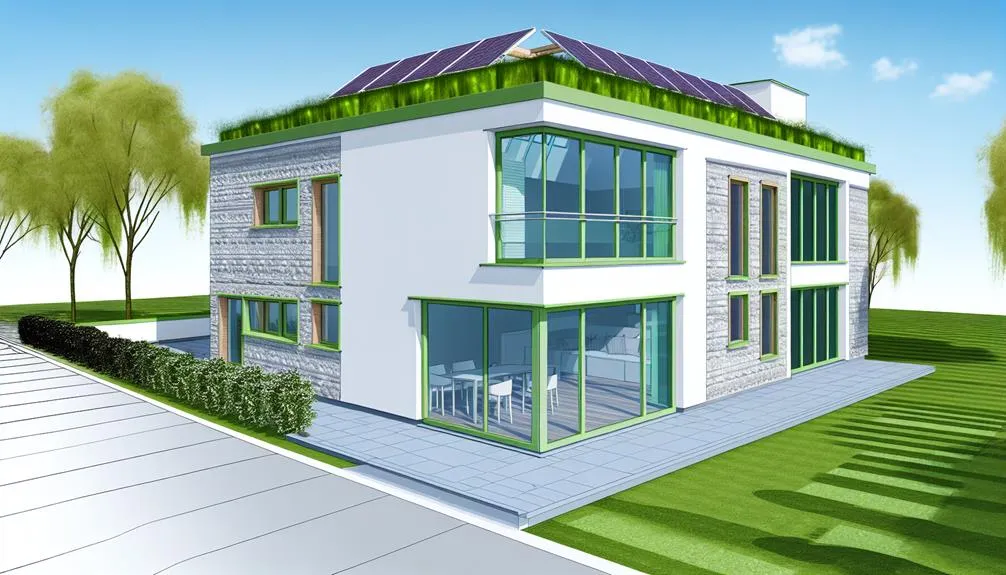
When it comes to designing homes with a focus on energy efficiency, passive house principles stand out for their smart approach. These principles are all about cutting-edge insulation and tightly sealed construction to slash the need for excessive heating and cooling. By embracing this design philosophy, not only do you contribute to a greener environment, but you also enjoy significant savings in the long haul. Here's why investing in passive house design makes perfect sense:
- Super Low Energy Usage: Passive houses typically slash energy consumption by 70-90% compared to regular buildings, leading to substantial cuts in utility bills and operational expenses.
- Harnessing Solar Power: By cleverly utilizing solar energy through proper positioning and layout, you can maintain cozy indoor temperatures without relying heavily on artificial heating or cooling systems.
- Crucial Windows: Opting for energy-efficient windows is key to minimizing heat loss and maximizing natural light, boosting energy efficiency and keeping occupants comfortable.
- Thermal Mass Benefits: Materials like concrete or stone with high thermal mass help regulate indoor temperatures by absorbing and releasing heat gradually, reducing the need for active cooling or heating.
- Effective Ventilation: Well-planned ventilation systems not only ensure fresh air circulation but also capture heat from exhaust air, enhancing indoor air quality and overall comfort levels.
Frequently Asked Questions
How to Make Your House More Green?
Looking to make your home more eco-friendly? Consider some practical upgrades like switching to energy-efficient windows. These windows can cut your heating and cooling costs by up to 30%. Another great step is installing a tankless water heater, which can reduce hot water energy use by 25%. These changes not only save you money but also contribute to a more sustainable lifestyle.
What Is the Most Environmentally Friendly House to Build?
Hey there! If you're looking to build the greenest house on the block, here are some cool tips for you. Start by going for a passive design and throw in some solar panels for that renewable energy vibe. When it comes to materials, think about using reclaimed wood and recycled steel to keep it sustainable. Want to add a touch of nature? Green roofs and living walls not only look awesome but also help with insulation and bring in some biodiversity. So, get your eco-friendly game on and build that dream green home!
What Is the Most Eco-Friendly Toilet Paper?
If you're aiming to go green with your toilet paper choice, consider bamboo or recycled options for a more eco-friendly approach. Bamboo grows rapidly, requires less water, and breaks down easily. Opting for recycled paper helps reduce deforestation. Look out for certifications like FSC or Rainforest Alliance to ensure the paper comes from responsibly sourced materials. Making these choices not only benefits the environment but also promotes sustainable practices in your everyday life.
How to Be More Sustainable in 2024?
Looking to make your home more eco-friendly in 2024? Let's talk about some practical steps you can take to be more sustainable. Start by considering energy-efficient upgrades like installing solar panels, switching to energy-saving appliances, and using low-flow fixtures to conserve water. Not only will these changes help reduce your carbon footprint, but they can also lead to savings on your utility bills. It's a win-win for both the environment and your wallet!