
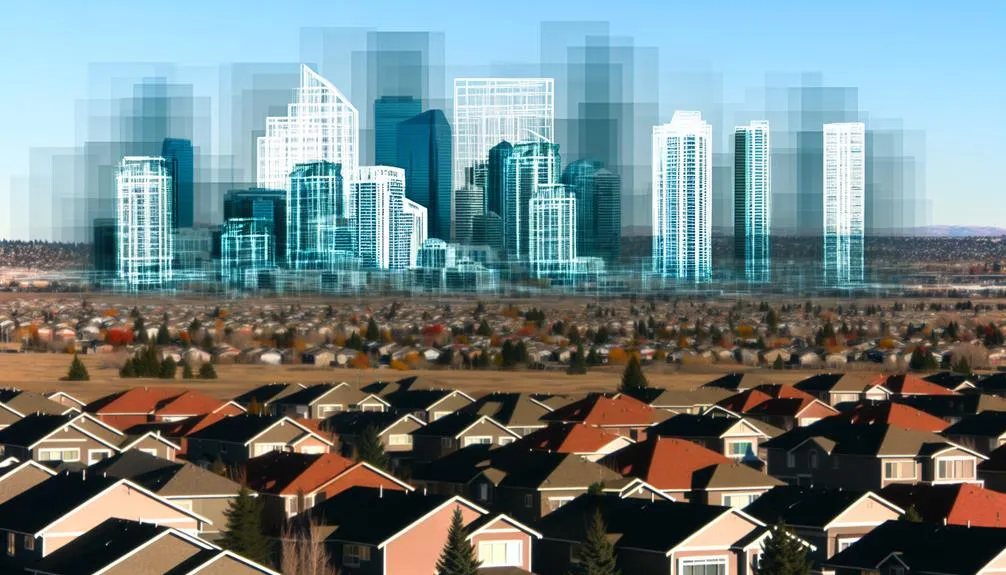
When you dive into Seattle's housing market shaped by the tech boom, it's like unwrapping a fascinating story of innovation and city growth.
The changes in neighborhoods influenced by tech giants such as Amazon and Microsoft reveal a mix of advancement and hurdles.
Whether you stroll through South Lake Union's streets or notice the steep rents, you start to grasp how tech wealth and housing choices intertwine, urging you to delve deeper into this transformative trend.
Key Takeaways
The tech boom in Seattle has caused a shortage of housing and a significant spike in prices. The "Amazon Effect" has shed light on how tech companies are reshaping the housing landscape. The transformation of South Lake Union exemplifies the influence of tech giants on housing trends. Data from Zillow confirms a sharp rise in rental prices near tech hubs. The high demand for housing near tech workplaces is creating affordability challenges in Seattle, making it tough for many to find affordable options in the city.
Impact of Tech Boom on Seattle Housing
The skyrocketing housing prices and limited availability in Seattle, all thanks to the Amazon Effect, show just how much the tech boom has reshaped the city's real estate scene. Seattle's housing market analysis by Zillow sheds light on the impact of tech giants like Amazon, Microsoft, Facebook, and Google in the region. Coined by Gene Balk in The Seattle Times, the term highlights how the tech boom directly links to the housing shortage, underscoring the significant role of companies like Amazon in shaping Seattle's housing landscape.
Research using LEHD data further confirms the connection between tech workplaces' locations and residential areas in Seattle. The evolution of South Lake Union in Seattle exemplifies how the presence of tech titans like Amazon can influence housing patterns in the city. Zillow's research on Amazon's headquarters shows a marked contribution to the surge in rental prices and property values in Seattle, cementing the tech companies' impact on the local real estate market.
As Seattle grapples with the aftermath of the tech boom on its housing sector, it's clear that companies like Amazon have a far-reaching influence that goes beyond just economic effects, reaching deep into the city's real estate fabric.
Rising Home Prices in Seattle
Seattle's housing market has been on fire lately, making it tough for potential buyers to snag a place.
The surge in prices can be directly linked to tech giants like Amazon setting up shop in the area.
The steep rise in home costs in Seattle really drives home how much impact tech companies have on local real estate scenes.
Seattle's Price Surge
Seattle's real estate scene has been buzzing with activity thanks to tech giants like Amazon, Microsoft, Facebook, and Google making their mark. The housing market in Seattle, especially in the South Lake Union area, has seen a sharp rise in prices, all thanks to the influx of these tech powerhouses.
Data from the Census Bureau analyzed by Zillow points to a direct link between Amazon's headquarters and the shortage of housing in Seattle, showcasing just how much tech companies influence the city's real estate landscape.
Gene Balk coined the term 'Amazon Effect' to sum up the surge in housing prices and the scarcity of homes in areas where major tech companies set up shop, underscoring the significant impact of the tech industry on Seattle's housing market dynamics.
Impact on Buyers
Big tech giants like Amazon, Microsoft, Facebook, and Google have significantly impacted the housing market in Seattle's South Lake Union area, leading to a noticeable rise in home prices. The term 'Amazon Effect,' coined by Gene Balk, highlights how these tech behemoths have influenced housing trends in Seattle.
The surge in real estate prices and the shortage of housing in areas where tech companies are headquartered clearly show the connection between the tech boom and escalating property costs. Zillow's analysis of Census Bureau data further underscores the direct influence of Amazon's presence on the local housing market.
Navigating the competitive Seattle market as a buyer amidst these rising prices shaped by the tech industry's growth demands a strategic approach to secure a property.
Rental Market Trends in Seattle

The booming rental prices and housing demand in Seattle's South Lake Union area really show how tech companies like Amazon and Microsoft have shaped the local real estate scene. This shift has been so impactful that experts have coined the term 'Amazon Effect' to capture the housing changes driven by these tech giants in Seattle.
- Tech Titans' Headquarters Impact: With tech company headquarters, especially Amazon's, the housing supply in Seattle has fallen short. The high demand for housing near these companies has led to a significant surge in rental prices, making it tough for locals to find affordable homes in the vicinity.
- Insights from Zillow and Census Data: By analyzing Census Bureau data through Zillow, experts have gained valuable insights into how Amazon's headquarters have influenced Seattle's rental market. This data dive has helped quantify the direct impact of tech companies on the rental landscape in the region.
- Workplaces and Rental Patterns: Researchers have used LEHD data to explore how work locations tie into rental trends in Seattle. This data-driven approach sheds light on how the concentration of tech jobs in specific areas directly drives rental rates and housing demand in Seattle.
Gentrification Concerns in Seattle
Seattle has been going through some big changes lately because of all the tech-driven gentrification happening. People are worried about how this is affecting the local communities.
With tech workers moving in, housing prices are shooting up, forcing long-time residents out and transforming the feel of neighborhoods. As property values soar and once-affordable areas quickly gentrify, more and more folks are talking about the social and economic impacts of these shifts.
Seattle's Changing Demographics
Seattle is changing fast thanks to technology-driven growth, and it's not just the skyline that's evolving. The city's population mix is shifting dramatically, sparking concerns about gentrification and community cohesion.
Tech companies offering high-paying jobs have driven up housing prices across Seattle, making it tough for long-time residents to keep up. Gentrification is pushing many people out of their neighborhoods, raising important questions about who gets to call Seattle home.
Discussions on affordable housing, city development, and fostering inclusive communities are heating up as Seattle's demographics continue to transform. It's a complex issue that's hitting close to home for many residents, stirring up emotions and calls for action.
Impact on Local Communities
Seattle is going through some major changes these days, especially with all the tech companies setting up shop here. The growth of the tech industry, led by big players like Amazon, has caused housing prices to skyrocket, forcing many longtime residents out of their neighborhoods.
Tech workers moving in have made the demand for housing shoot through the roof, creating some serious issues with gentrification in different parts of Seattle. This just goes to show how important it's to come up with affordable housing solutions to deal with the effects of the tech-driven housing market in Seattle.
The rapid changes happening in Seattle neighborhoods highlight the complicated social and economic impacts of the tech boom on our communities. It's crucial to tackle gentrification problems to preserve the diverse character of Seattle's neighborhoods in the face of rapid technological advancements.
Tech Wealth Influence on Seattle

The tech boom in Seattle has completely transformed the city's landscape, especially in neighborhoods like South Lake Union, driven by big players like Amazon, Microsoft, Facebook, and Google. This influx of tech giants has caused major shifts in the housing market and urban development scene in Seattle.
Let's dive into three key observations on how tech wealth has shaped Seattle:
- The Amazon Impact: The 'Amazon Effect' has become synonymous with how tech companies influence housing markets. Seattle, in particular, has faced housing shortages and price spikes in areas near Amazon's headquarters, showcasing the significant impact of tech wealth on the local real estate scene.
- Insights from Zillow: Zillow, a leading real estate company, used Census Bureau data to explore the effects of Amazon's presence on Seattle's housing landscape. This analysis highlighted the strong link between tech industry growth and housing market trends, illustrating how tech wealth can steer market dynamics.
- LEHD Data Revelations: Leveraging Longitudinal Employer-Household Dynamics (LEHD) data provided valuable insights into the correlation between work locations and residential choices in Seattle. This data-driven approach shed light on how tech wealth influences housing preferences and patterns in the city, emphasizing the deep connection between the tech industry and the housing market.
These firsthand experiences shed light on how tech wealth is reshaping Seattle, giving us a glimpse into the dynamic relationship between technology companies and the local urban fabric.
Remote Work Impact on Seattle Housing
The way people work remotely has had a big impact on how people choose where to live in Seattle, changing the usual preferences for neighborhoods and home prices. The influence of remote work, especially from big companies like Amazon, has been a major force in shaping Seattle's housing market. Tech giants such as Amazon, Microsoft, Facebook, and Google have transformed areas like South Lake Union into hotspots for innovation and business, leading to a surge in demand for housing and higher property prices.
According to Zillow's review of Census Bureau data, there's a shortage of homes and prices are going up in Seattle, mostly because of Amazon's presence. The term 'Amazon Effect,' coined by Gene Balk in The Seattle Times, captures the housing challenges and price rises seen in areas where tech headquarters are located, like Seattle. Researchers using LEHD data have looked into how where people work, like at Amazon's headquarters, affects where they choose to live in Seattle, revealing complex connections between remote work trends and housing changes.
As remote work becomes more common, the Seattle housing market keeps changing, with policies that support remote work and job opportunities in tech shaping the city's real estate scene. The Amazon Effect continues to be a key factor in understanding the ongoing transformations in Seattle's housing market, highlighting the link between remote work trends and housing affordability in the region.
Frequently Asked Questions
Will Tech Layoffs Effect Housing Market?
When tech companies lay off employees, it can shake up the housing market. With more homes hitting the market, prices may drop as people look for more affordable housing options. This shift can also impact rental markets as demand changes. The size and length of these layoffs will determine how much the housing market feels the effects.
How Does Technology Influence Housing?
Tech's impact on the housing market is undeniable, especially in tech-centric areas where demand from well-paid tech professionals has driven prices sky-high. Giants like Amazon and Facebook have spurred housing shortages, making it tough for many to find affordable housing.
How Technology Is Disrupting the Real Estate Industry?
In the realm of real estate, technology isn't just a helpful tool—it's completely reshaping the way we do business. With the rise of online platforms, artificial intelligence, and blockchain, everything from property valuation to market predictions and transactions is undergoing a revolution. It's essential to embrace this disruption as it brings about efficiency and transparency in unprecedented ways. As someone deeply involved in the industry, I can attest to the transformative power these technological advancements have on our day-to-day operations, making tasks smoother and information more accessible than ever before.
What Happened to the Demand for Houses and Prices When the Housing Bubble Burst?
When the housing bubble burst, demand for houses dropped drastically, causing an oversupply in the market. This led to a sharp decrease in prices and a significant decline in property values. Many homeowners found themselves unable to keep up with their mortgages, resulting in a wave of foreclosures that triggered a financial crisis. It was a tough time for many families as they struggled to hold onto their homes amidst the economic turmoil.