

Selling a property in Seattle? Here's a tip: transparency is key! Recent surveys reveal that more than 80% of buyers in the area value open and honest disclosures when it comes to real estate transactions.
Navigating Seattle's real estate market can be tricky, but understanding the ins and outs of disclosure requirements is crucial for a successful and legally sound sale.
So, as you dive into selling your property, remember that being upfront about all the details can make a big difference in attracting the right buyer and closing the deal smoothly.
Key Takeaways
Selling a home in Washington means following some important rules about disclosing information to potential buyers. It's not just a suggestion—it's the law. When you're putting your home on the market, you need to be upfront about any issues like structural problems or lead paint hazards. These details should be shared using specific disclosure forms, and they must be handed over within five business days.
Remember, failing to disclose significant problems can land you in hot water legally. To navigate these disclosure requirements smoothly, it's a smart move to have a real estate attorney by your side. They can help you understand the process and ensure you're meeting all the necessary obligations. So, when it comes to selling your home in Washington, transparency is key to a successful and legal transaction.
Legal Requirements for Sellers in Washington
Selling a house in Washington? You've got to spill the beans on all the nitty-gritty details according to state laws. It's not just a casual chat; it's the real deal. Once you've got a buyer on the hook, you've got five business days to hand over the completed disclosure form. This form spills the tea on any major issues or defects that could shake up the property's value or the buyer's plans.
And hey, if your place is a vintage gem built before 1978, you've got an extra layer to deal with. Any lead paint hazards lurking around must be exposed, following federal rules. It's not just about the paint color; it's about keeping everyone in the loop on potential health risks tied to lead exposure in older cribs.
Mandatory Seller Disclosure Obligations
Selling a home in Washington is a significant step that comes with a set of responsibilities to ensure transparency and fairness for potential buyers. In the state of Washington, sellers are required to fill out a seller disclosure form provided by the state. This form is crucial as it compels sellers to disclose all relevant information about the property to potential buyers.
As a seller in Washington, it's crucial to be upfront about any significant issues that could affect the value or future obligations related to the property. These issues may include structural problems, water damage, or pest issues. Failing to disclose such defects can lead to legal consequences and financial liabilities for the seller.
Moreover, it's essential to adhere to federal regulations concerning lead paint disclosure, which also apply in Washington. Sellers must inform buyers about any known lead paint hazards in properties built before 1978. This measure aims to safeguard buyers, particularly families with young children, from potential health risks linked to lead exposure.
Ensuring full disclosure and compliance with regulations not only protects buyers but also establishes trust and transparency in the real estate transaction process.
Exceptional Disclosure Cases in Washington

In Washington, when it comes to disclosure cases, there are some pretty big deals that can crop up due to not sharing important information about defects or not meeting disclosure requirements.
If you slip up on disclosure, you could end up with the sale agreement being cancelled, and you might even face some legal trouble.
To handle these kinds of situations well, it's crucial to have a good grasp of the disclosure laws and exceptions in Washington.
Notable Disclosure Lawsuits
Let me tell you about a fascinating lawsuit in Washington that really shook up the real estate scene. Picture this: a seller forgot to mention a leaky roof, which ended up sparking a huge legal battle. This incident shed light on how crucial it's for sellers to be upfront about any issues with their property.
Another seller got into hot water for hiding a troubling past of mold problems, showing just how vital honesty is in property deals. And then there was this jaw-dropping case where undisclosed structural damage caused quite a stir, proving that sellers must give all the nitty-gritty details about a property.
Oh, and let's not forget the seller who conveniently 'forgot' to mention a basement that turned into a swimming pool every time it rained. That slip-up didn't sit well with the buyer, who felt their trust was betrayed. And of course, there was the classic case of a seller keeping quiet about a termite invasion, landing them in a legal mess and stressing the importance of full disclosure.
These stories really drive home the point that openness and honesty are non-negotiable in real estate transactions.
Disclosure Breach Consequences
When selling a property in Washington State, it's crucial to be upfront about any known issues to avoid legal troubles down the road. If you hide defects on purpose, you risk the whole sale falling through. Sellers must give an honest account of the property's condition to stay on the right side of the law.
Disputes often arise from claims of deceit or false information during disclosures, leading to hefty fines, contract cancellations, or even lawsuits. Seeking legal advice in tricky disclosure situations can help you navigate the potential consequences.
Understanding the seriousness of non-disclosure and prioritizing transparent transactions are key to maintaining trust in real estate deals in Washington State.
Timing and Method of Seller Disclosures
When you're selling a property in Washington State, it's vital to get those seller disclosures to the buyer promptly. You'll need to make sure they receive all the necessary information within five business days of both parties agreeing to the terms.
The usual way to provide these disclosures is by using the state's official disclosure form. It's crucial to fill out this form thoroughly and accurately to meet legal obligations and keep the buyers well-informed.
Disclosure Deadline Overview
In Washington State, sellers need to give buyers the disclosure statement within 5 business days after both parties agree on the purchase deal, according to state regulations. The law in Washington mandates that home sellers use the standard disclosure form for real estate transactions.
Buyers have the right to check the completed seller disclosure form to make well-informed decisions. It's crucial for sellers to follow the completion guidelines to ensure all relevant information is included. This prompt disclosure helps build transparent communication and trust between the parties involved.
Failing to meet the disclosure deadline can result in legal consequences for the seller. Therefore, completing the seller disclosure statement promptly and accurately is crucial in Washington State real estate transactions.
Required Disclosure Formats
In Washington State, sellers must give buyers written disclosures within 5 business days of both parties agreeing on a purchase contract using a standard form. The law in Washington requires sellers to provide these disclosures in writing following a set format.
It's crucial for sellers to hand over these completed disclosures promptly to buyers to meet legal obligations. The timing and method of sharing seller disclosures are strictly regulated to ensure buyers receive essential information in an organized manner.
Adhering to the prescribed disclosure formats is key to fulfilling legal duties and empowering buyers to make informed decisions in real estate deals. By relying on these standardized disclosures, buyers can gain valuable insights into the property they're looking to buy.
Details Covered in Seller Disclosure Forms
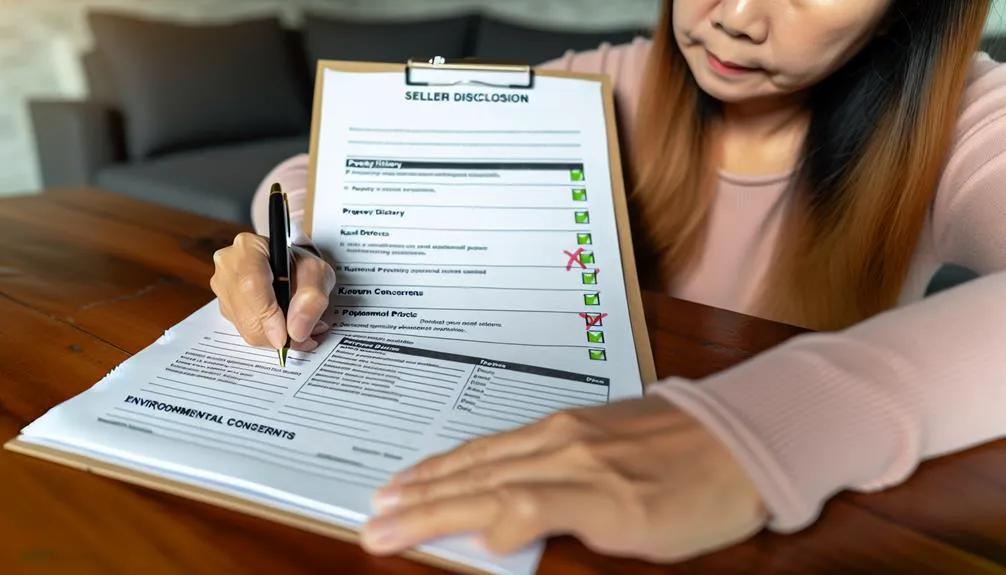
Seller disclosure forms in Washington State cover crucial property details to ensure transparency and protect both buyers and sellers in real estate deals. These forms dive into ownership specifics, potential risks, and essential information that can impact a property transaction.
Here's a breakdown of what you can expect to find in seller disclosure forms:
- Ownership Details: This section includes the names of current owners and any existing mortgages on the property.
- Asbestos Presence: Information about any known asbestos within the property is disclosed here.
- Environmental Hazards: Sellers must reveal details about lead-based paint, flood zones, earthquakes, and other environmental risks.
- HOA Information: This part outlines HOA fees, special assessments, and other relevant details.
Along with these key points, seller disclosure forms delve into material defects, title issues, water and sewer systems, structural components, and fixtures within the property. They also address potential risks like asbestos, flooding, and environmental hazards such as lead-based paint in older properties.
Moreover, disclosing HOA information, including fees and pending assessments, is crucial for a comprehensive overview of the property's status. By ensuring accuracy and thoroughness in completing these forms, both buyers and sellers uphold the necessary transparency required in Washington State real estate transactions.
Post-Disclosure Changes and Updates
Once you've completed the initial disclosure statement, it's crucial to stay on top of any changes or updates that may arise. In Washington State, sellers are legally required to keep the disclosure statement accurate and up-to-date until the property sale is finalized. Sellers must promptly address any inaccuracies that come to light before the closing date to ensure transparency and compliance with the law.
If a buyer or inspector identifies any discrepancies that could impact the sale, it's essential for the seller to make corrections to the disclosure statement. Neglecting to provide precise and truthful information can lead to legal complications and potential liabilities for the seller. To avoid post-disclosure issues, sellers should diligently monitor the accuracy of the statement throughout the sale process.
Exceptions to the updating rule are limited, allowing corrective actions up to three days before closing. It's in everyone's best interest to maintain the most current and accurate information in the disclosure statement to prevent misunderstandings or disputes later on. By staying proactive and ensuring the document reflects the latest details, sellers can navigate the sale process smoothly and avoid any legal entanglements.
Federal Lead Disclosure Regulations

Selling a home built before 1978 in Seattle means you need to follow federal lead disclosure rules.
The Residential Lead-Based Paint Hazard Reduction Act requires sellers to inform potential buyers about any lead-based paint hazards. This involves providing the necessary forms and details about lead paint risks to ensure both parties are protected during the transaction.
It's essential to comply with these regulations to ensure a smooth and transparent sale process for everyone involved.
Lead Paint Hazards
If you're selling a house built before 1978, it's crucial to inform buyers about any potential lead paint risks. Here are three key things to remember:
- Hand over an EPA leaflet about lead-based paint dangers to the buyers.
- Give buyers 10 days to inspect for lead paint.
- Ensure you comply with the Seller Responsibility to Disclose Lead-Based Paint Hazards to steer clear of penalties and legal troubles.
Understanding and following these rules is vital to safeguard both sellers and buyers when dealing with properties that might've lead paint.
Required Disclosure Forms
When selling a home built before 1978, it's important to inform buyers about potential lead-based paint hazards. As a seller, you're required to provide specific disclosure forms detailing these risks and include an EPA pamphlet that educates buyers on the dangers of lead-based paint. Meeting these disclosure regulations is crucial to avoid penalties and legal troubles.
Make sure all relevant information about lead-based paint hazards is accurately shared with buyers. Failure to comply can have serious consequences. Buyers have a 10-day window to inspect for lead paint before finalizing the purchase.
It's vital for sellers to fulfill their disclosure duties diligently to maintain transparency and meet legal standards.
Landlord Responsibilities
If you're renting out an older property, built before 1978, it's crucial to inform your tenants about the potential risks of lead-based paint. This is a federal requirement aimed at safeguarding tenants' health and well-being. Here's what you need to do to comply with the lead disclosure regulations and ensure your tenants are protected:
- Make sure to provide your tenants with a pamphlet approved by the EPA that covers lead-based paint hazards.
- Include clear language about lead-based paint in your rental agreements.
- Take all necessary steps to meet the federal lead disclosure requirements to avoid facing penalties and legal issues.
Failing to meet these obligations can have serious consequences for landlords. It's vital to prioritize your tenants' safety by following these regulations diligently.
Risks of Incomplete Disclosures

When it comes to selling a property, being upfront about all the details is crucial to avoid legal troubles down the road. Failing to disclose important information or defects can lead to disagreements with buyers and even lawsuits, putting sellers at risk. If sellers hide key facts or provide incorrect information, they may face accusations of deception, which can escalate into serious legal problems. Incomplete disclosures not only jeopardize a seller's reputation in the real estate market but also impact future business opportunities and transactions.
It's essential for both buyers and sellers to ensure that all relevant information is disclosed accurately during property transactions. Sellers should openly share any known issues or essential details that could influence a buyer's decision. By being transparent and thorough in their disclosures, sellers can minimize legal risks, gain buyers' trust, and uphold their standing in the real estate industry.
Seeking advice from legal professionals or real estate experts can help sellers navigate the complexities of disclosure requirements and steer clear of potential pitfalls associated with incomplete or misleading disclosures. Ultimately, clear and comprehensive disclosures are key to facilitating successful and legally sound real estate deals.
Importance of Legal Consultation
Navigating the real estate scene in Seattle can be a bit of a maze, especially when it comes to transactions. That's why getting some legal advice is key to staying on track and avoiding any potential bumps along the way. Here's why having a chat with a lawyer is so important:
- Knowing What to Share: A real estate attorney can help you understand exactly what you need to disclose when selling a property in Seattle, making sure you cover all your legal bases.
- Dodging Legal Troubles: By talking to a real estate attorney, you can steer clear of any issues that might pop up due to missing or incorrect information in your disclosure statements.
- Staying on the Right Side of the Law: Legal advice ensures you're following all the rules and regulations in Washington State, preventing any headaches that could arise from not disclosing everything you should.
Seattle has its own set of rules when it comes to real estate, and not sticking to them can spell trouble. By teaming up with a savvy real estate attorney, you can shield yourself from potential legal headaches, safeguard your interests, and make sure your transaction sails smoothly and legally sound. So, don't overlook the importance of legal advice when it comes to real estate dealings in Seattle.
Seller Disclosure Statement Essentials
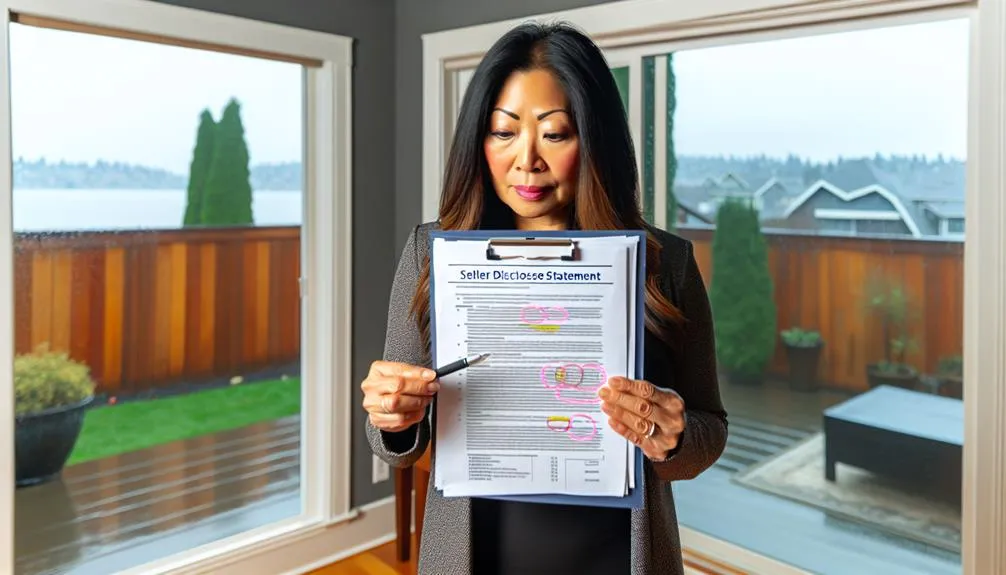
Selling a house in Washington State comes with a crucial step: providing buyers with a Seller Disclosure Statement within 5 business days after both parties agree on the purchase terms. This form is a key player in real estate deals, shedding light on various aspects of the property like ownership details, water and sewer systems, structural integrity, environmental concerns, lead-based paint presence, and more. While this statement doesn't create warranty obligations for the seller, its purpose is to inform buyers about the property's condition.
To ensure transparency, sellers must diligently complete the disclosure form, addressing all required sections. Pay close attention to the questions marked with an asterisk (*), as they require detailed explanations and relevant document attachments for clarity.
Here's a quick overview of some key areas covered in the seller disclosure statement:
- Ownership Details: Info about the property's legal ownership, including any potential legal issues or disputes – super critical.
- Environmental: Disclosing any known environmental hazards or concerns related to the property – absolutely essential.
- Lead-based Paint: Identifying any lead-based paint hazards in the property, if applicable – a matter of safety concern.
Accuracy and thoroughness in filling out the seller disclosure statement are vital for both sellers and buyers in real estate transactions in Washington State. It's not just a formality; it's a crucial step in ensuring a smooth and informed property transaction.
Required Property Disclosures in Washington
So, you're selling a home in Washington State, huh? Well, let me tell you, there are some important things you need to know about disclosing property details to potential buyers. Washington State law requires sellers to spill the beans on all the nitty-gritty within five business days of accepting an offer.
Here's the scoop:
- Spill the Beans: Don't hold back! Tell buyers everything they need to know about your property, especially stuff that could impact its value or desirability.
- Watch Out for Hazards: Got any environmental hazards lurking around? Whether it's lead paint, asbestos, or radon, spill the beans on those too.
- Lay It All Out: Give buyers the lowdown on your property's systems, fixtures, any HOA details, and don't forget to mention any pesky structural issues.
Washington State wants to make sure buyers have all the deets they need to make an informed decision. By being upfront and honest about your property, you're not just following the rules – you're also building trust with potential buyers. Remember, honesty is the best policy when it comes to selling your home in Washington State.
Tips for Effective Disclosure Management

Want to ace your disclosure management process in the real estate field in Washington State? Here are some insider tips to make it a breeze.
First off, keep all your disclosure documents neatly organized in a dedicated folder or digital system for quick and easy access. This simple step can save you loads of time and hassle when you need to reference them.
Don't forget to stay on top of things by regularly reviewing and updating your disclosures. Accuracy is key, so make sure you're compliant with all legal requirements.
If you come across tricky disclosure issues, it's wise to seek advice from a seasoned real estate attorney or professional. Their expertise can be invaluable in navigating complex matters.
To stay in the loop and remain compliant, tap into the resources offered by the Washington State Department of Licensing. They provide the latest updates and guidelines to keep you on the right track.
Consider integrating electronic platforms or software into your disclosure management process. This can streamline your operations and help you maintain thorough records effortlessly.
In a nutshell, here's a rundown of the top tips for effective disclosure management:
- Keep disclosures organized for easy access and reference
- Review and update disclosures regularly for accuracy and compliance
- Seek legal advice for complex disclosure issues
- Utilize electronic platforms for streamlined processes
Frequently Asked Questions
What Do You Have to Disclose When Selling a House in Washington State?
When you're selling a house in Washington State, it's crucial to be upfront about any significant issues that could affect its value or the buyer's responsibilities. This means being transparent about things like who owns the property, the condition of the water systems, any structural problems, and potential environmental risks. Being completely open about these details is essential to a smooth transaction and building trust with potential buyers.
What Is a Form 17 Disclosure in Washington State?
In Washington State, Form 17 plays a crucial role in real estate deals. When you're buying a property here, sellers are required to hand over this form to you within five business days after both parties agree on the deal. This document covers all the important details about the property that you need to know. It's like a transparency tool to keep you informed throughout the transaction process.
What Are Most Seller Property Disclosures Required For?
Selling a property in Washington State comes with the requirement of providing seller property disclosures to inform buyers about crucial details like title issues, water systems, and structural conditions. These disclosures aim to shed light on key facts that can impact the property's value or the buyer's responsibilities. It's like giving a heads-up on the important stuff that can make a real difference when buying a home. So, when you're selling your property, be sure to share all the nitty-gritty details that matter to potential buyers.
Which Disclosure Is Most Commonly Required in Residential Real Estate?
When you're diving into the world of buying or selling a home in Washington State, one crucial document you'll come across is the Seller Disclosure Statement, commonly known as Form 17. This detailed form is a key player in real estate transactions, shedding light on various aspects of the property and ensuring transparency between buyers and sellers. It's like a roadmap that helps you navigate through the property's ins and outs, giving you a clear picture of what you're getting into. So, whether you're a buyer or a seller, this form is your go-to guide for a smoother and more informed real estate journey.