
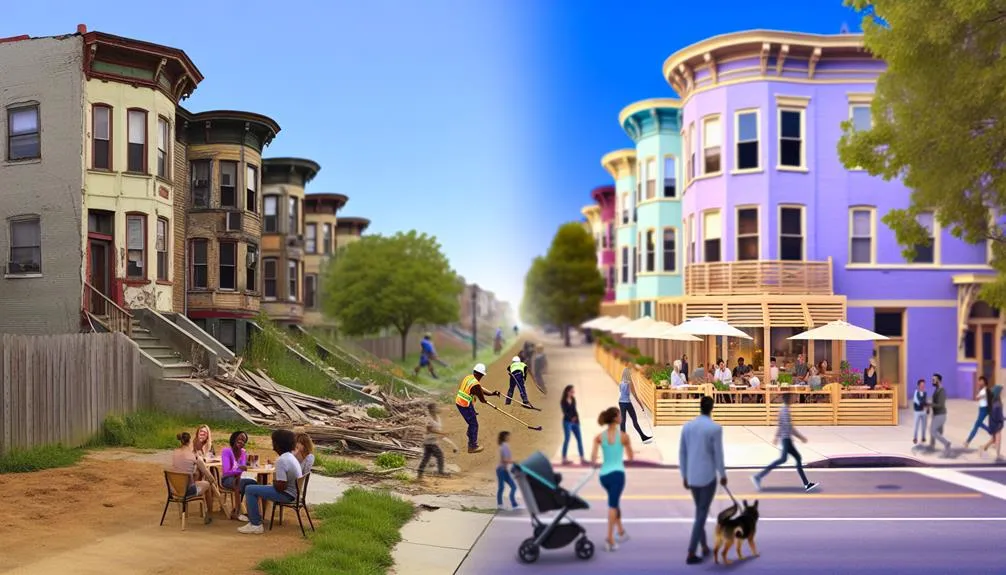
Ever wondered why gentrification shakes up neighborhood property values so dramatically?
It's not just about the visible changes you see.
The reasons behind these shifts are more intricate than meets the eye.
Let's dive in to uncover the driving forces behind this property value makeover.
Key Takeaways
Gentrification brings in more affluent residents, leading to a surge in property values. The neighborhood becomes more attractive with improved infrastructure, fancy amenities, and new development projects. Unfortunately, this can push out lower-income folks as housing costs rise beyond their means. The area experiences economic growth, social changes, and a spike in property prices with gentrification. Additionally, public services get a boost in gentrified areas, further boosting property values.
Impact of Gentrification on Seattle Neighborhoods
The wave of gentrification sweeping through Seattle neighborhoods has had a profound impact on property values, pushing up median home prices and rents significantly. This surge has made it increasingly difficult for lower-income residents to afford homes, with some areas seeing property values shoot up by a staggering 65% over the last decade, equating to an average increase of $300,000. Consequently, affordable housing options have dwindled by 40% in gentrified regions.
The rise in property values and rental costs has led to the displacement of many long-standing residents, particularly minorities, from their communities. This has resulted in a 30% drop in the minority population in certain Seattle neighborhoods, highlighting the substantial demographic changes brought about by gentrification. The lack of affordable housing alternatives exacerbates this issue, trapping displaced residents in a cycle of housing instability and neighborhood transformation.
To tackle the challenges posed by gentrification, policymakers need to focus on developing affordable housing, shielding vulnerable communities from displacement, and fostering inclusive community growth. By implementing targeted solutions and community-driven projects, cities like Seattle can mitigate the adverse effects of gentrification on property values, affordable housing availability, and neighborhood diversity, ensuring fairer urban development for all.
Rise in Property Values Due to Gentrification
When gentrification starts to change a neighborhood, property values in that area tend to go up significantly. This increase is often due to improvements in the area's infrastructure and the addition of new facilities.
Consequently, the higher property values can bring about challenges like increased rents and the displacement of lower-income residents.
Gentrification Impact on Prices
Gentrification really shakes things up when it comes to property values in neighborhoods. It's like a wave that lifts prices by up to 50% or even more in some areas. This boost is all thanks to more money pouring in, new developments popping up, and nicer stuff becoming available as gentrification takes hold. And as wealthier folks move in, the demand for housing shoots up, pushing prices higher and higher.
Here's a breakdown of how these factors drive property values up during gentrification:
- Investment and Development: Prices go up.
- Improved Amenities: Values rise.
- Influx of Affluent Residents: More demand means higher prices.
Neighborhood Changes and Values
When neighborhoods undergo gentrification, you can see a direct impact on property values. The arrival of wealthier residents in these revitalized areas is a key factor in driving up prices, as people with higher incomes are drawn to the upgraded neighborhoods.
Moreover, enhancements like better schools and transportation systems boost the overall attractiveness of gentrified areas, leading to a surge in property values. Preserving the historical charm and character of these neighborhoods also adds to their appeal, attracting buyers seeking unique and culturally vibrant surroundings.
The shift towards more upscale amenities and services in gentrified neighborhoods further raises their desirability, contributing to the upward trend in property values.
Developer Investments and Property Value Changes
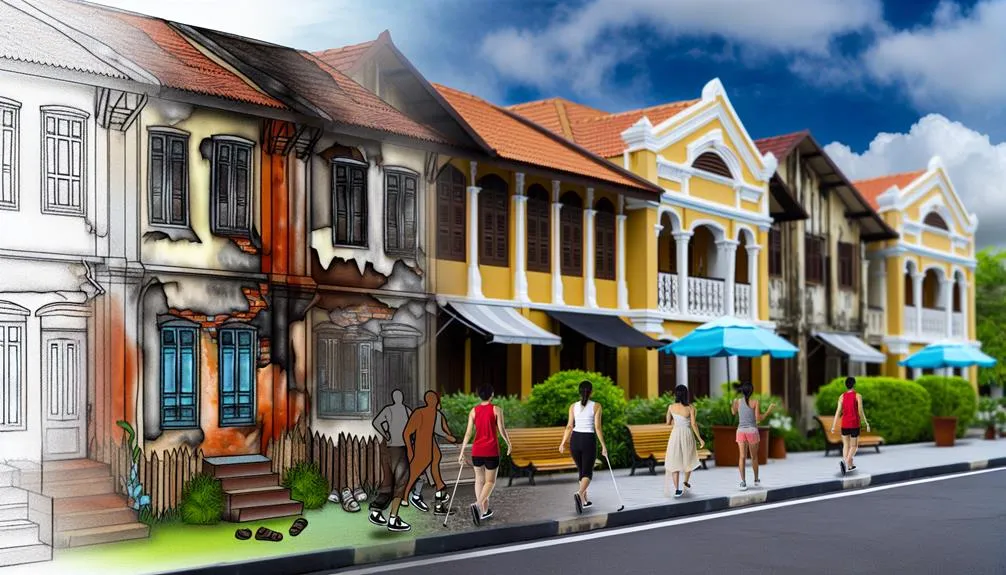
Investing in development projects plays a crucial role in shaping the evolution of property values in gentrified neighborhoods. Developers injecting funds into improving infrastructure and amenities have been a driving force behind the significant rise in property prices in these areas. Their initiatives to renovate and revamp properties directly contribute to the uptick in values. Furthermore, the upgrades to public services such as schools and parks, made possible by developer investments, have further propelled property values in gentrified neighborhoods.
Gentrification not only escalates property values but also lures affluent individuals to these revitalized areas. The influx of wealthier residents seeking the allure of urban living options has substantially increased demand, subsequently pushing property values skyward. The surge in housing demand in gentrified neighborhoods, driven by the urban lifestyle appeal, has created a competitive market environment, resulting in a noticeable uptick in property values.
Attracting Affluent Residents and Property Values
Gentrifying neighborhoods see a boost in property values when they attract well-off residents seeking urban amenities and vibrant culture. The arrival of wealthier individuals not only drives up housing demand but also reshapes the local economy and community vibe. Here's a closer look at the impact:
- Hike in Housing Demand: Affluent newcomers in gentrifying areas create a frenzy for homes, sparking fierce competition for limited housing options. This heightened demand naturally drives prices up as buyers are willing to pay a premium for prime locations.
- Economic Shake-up: The influx of wealthy residents can trigger a shift in the neighborhood's social and economic fabric. With their higher spending power and investment potential, these individuals can elevate property values and stimulate economic activity in the vicinity.
- Cultural Allure: Gentrified neighborhoods often draw in young professionals and artists attracted to the area's evolving charm and cultural buzz. This mix of creative and affluent residents not only enriches the local cultural scene but also adds to the area's appeal, further boosting property values.
Displacement of Lower-Income Residents
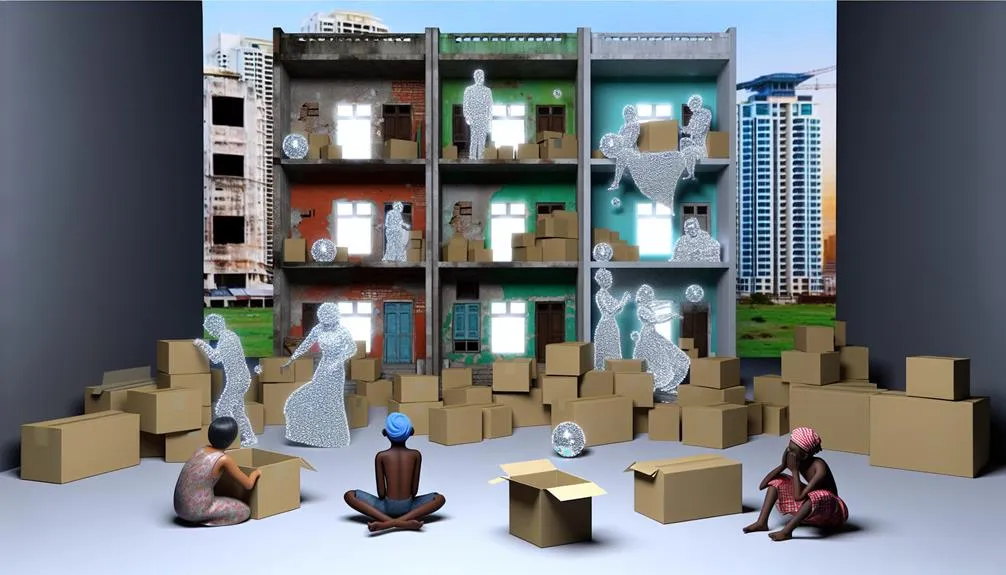
Gentrification has a big impact on property values, often pushing out lower-income folks because housing prices shoot up. This not only kicks vulnerable people out of their homes but also messes up the social vibe of neighborhoods, breaking community bonds and support systems.
Dealing with the housing crunch and stopping the displacement of lower-income residents are major challenges that need long-lasting fixes for fair city growth.
Housing Affordability Impact
Gentrification's impact on housing affordability, especially the displacement of lower-income residents, is a widely recognized outcome of the process.
- Soaring housing costs in gentrified neighborhoods lead to fewer affordable options for those with lower incomes.
- Long-time, low-income residents are forced out of their homes as property values rise beyond their means.
- The diminishing availability of affordable housing due to gentrification has profound implications for the socioeconomic makeup of communities, potentially exacerbating inequality.
These patterns underscore the pressing need for policies that tackle housing affordability challenges, safeguard vulnerable groups, and champion inclusive development approaches to offset the adverse effects of gentrification on low-income individuals.
Social Cohesion Disruption
When gentrification forces out lower-income residents, it really messes with the vibe of the neighborhood. All of a sudden, property prices shoot up, and the folks who've been there for ages get priced out of their homes. This shakes up the tight-knit bonds that people have built over the years, leading to a breakdown in communication and shared experiences.
As the longtime residents are pushed out, you start seeing the cracks in the community support system, which is crucial for the neighborhood's social fabric. The changing property values not only signal a shift in the neighborhood's economy but also create rifts among residents, stirring up tension and conflict.
To tackle this issue, we need policies that put affordable housing first and work towards maintaining the diverse social mix that makes neighborhoods vibrant.
Social and Economic Shifts in Gentrified Areas
Gentrification brings about significant changes in both the social and economic landscapes of neighborhoods as more affluent residents move in, reshaping the area in various ways. Here are the key aspects that define this transformation:
- Economic Boost: Gentrification often kickstarts economic growth in once-neglected neighborhoods. The arrival of wealthier residents injects more spending power into the community, attracting new businesses and investments that foster development.
- Property Value Surge: One of the most visible outcomes of gentrification is the spike in property prices. With the influx of wealthier residents, the demand for housing soars, leading to a substantial increase in real estate values. This can impact long-time residents, affecting their ability to cope with the rising cost of living in the neighborhood.
- Social Shifts: The influx of more affluent residents brings about a transformation in the social fabric of gentrified areas. This demographic change can alter community dynamics, cultural norms, and social interactions. It presents opportunities for new connections while also posing challenges related to social inclusion and integration.
These factors intertwine to create a complex interplay of economic development, property values, and social dynamics in gentrified neighborhoods, showcasing the multifaceted nature of the gentrification process.
Neighborhood Infrastructure Enhancements and Values
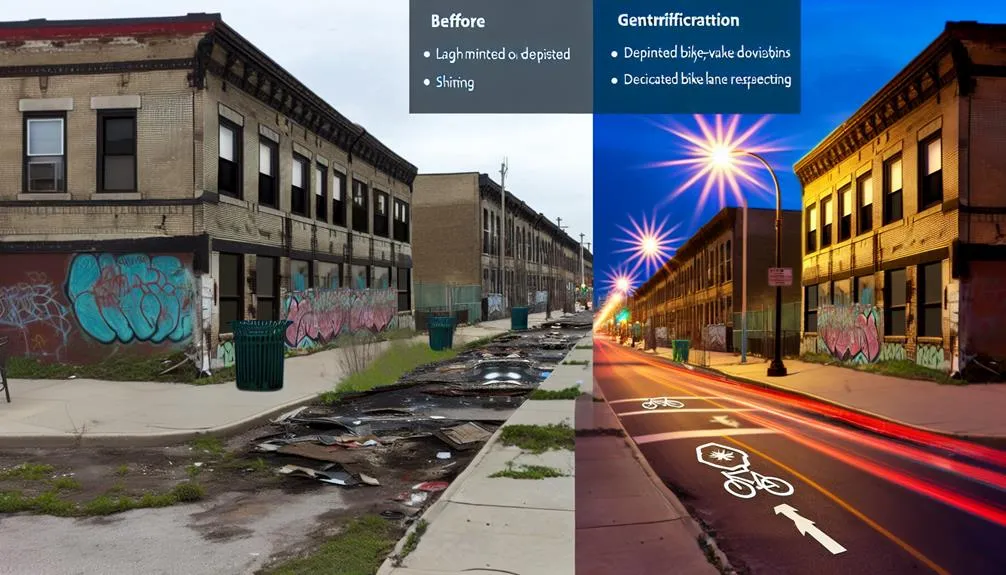
Gentrification brings noticeable upgrades to neighborhood infrastructure, resulting in increased property values and an enhanced quality of life for residents. The transformation often entails improvements in public services like schools, parks, and public transportation, benefiting both new and existing community members. These enhancements not only boost the overall development of the neighborhood but also contribute to the well-being of its residents.
The presence of improved public services due to gentrification can significantly impact property values in the area. As neighborhoods undergo these positive changes, the appeal of the area increases, leading to a rise in property prices. The overall attractiveness of the neighborhood is heightened by these infrastructure improvements, attracting more residents and businesses, ultimately driving up property values.
Neighborhood development plays a crucial role in shaping the community and creating a more desirable living environment. Through investments in infrastructure upgrades, gentrified areas can draw in more residents and businesses, further elevating property values. The relationship between neighborhood infrastructure enhancements and property values becomes a key factor in the gentrification process, influencing the economic landscape and overall prosperity of the community.
Affordability Concerns Amid Gentrification
Gentrification has significantly impacted housing affordability in many neighborhoods, especially for low-income residents. The decrease in affordable housing options due to gentrification has made it tough for those with limited resources to find suitable homes. As property values and rents soar because of gentrification, it becomes challenging for long-time residents to keep up, putting pressure on vulnerable communities.
The loss of affordable housing has led to the displacement of many vulnerable populations, causing housing insecurity and disrupting the social fabric of neighborhoods undergoing gentrification. While gentrification can bring about neighborhood revitalization and increased investments, it also raises valid concerns about housing affordability for existing residents.
Without effective policies in place to tackle these challenges, the displacement of long-term residents and the breakdown of community bonds are inevitable outcomes. Implementing strategies like rent control, affordable housing mandates, and community land trusts can help alleviate the negative impacts of gentrification. These measures ensure that all residents have access to stable and affordable housing as neighborhoods evolve.
Future Outlook for Seattle Property Values
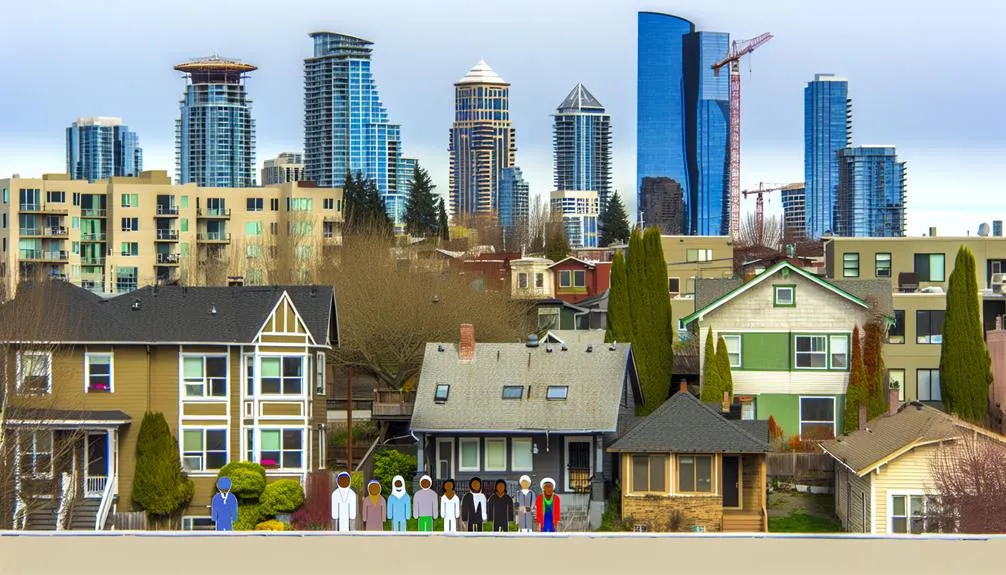
Seattle's property values are soaring, driven by a wave of high-income residents flocking to the city. This surge has reshaped the real estate scene, with areas like Capitol Hill and Ballard seeing remarkable appreciation. The tech hub status of Seattle, bolstered by companies like Amazon, adds to the pressure on housing prices.
As a Seattleite witnessing this firsthand, the trend of rising property values is undeniable. Gentrification is transforming neighborhoods, making them less accessible to lower-income individuals. The demand for housing continues to outstrip supply, pushing prices higher.
Looking ahead, experts anticipate this trend to persist, with Seattle remaining a top choice for both residents and investors. Policymakers face the challenge of ensuring inclusive development amidst this growth. Initiatives promoting affordable housing and balanced urban planning are crucial in shaping Seattle's future property landscape.
Living through these changes, I see the importance of addressing housing affordability while fostering economic growth. It's about finding that delicate balance to ensure Seattle remains a place where everyone can call home.
Frequently Asked Questions
How Does Gentrification Affect Property Value?
When a neighborhood starts to gentrify, it's like a wave of change that impacts property values in a big way. Picture this: as more well-off folks move in, they bring a whole new level of demand for housing. This not only attracts investors looking to make a buck but also sets off a chain reaction of improvements and updates to the area. With all these upgrades and a shift in who's living there, it's no surprise that property values start to climb in these up-and-coming neighborhoods. It's all about the buzz and bustle of change, making an ordinary street suddenly feel like the center of something exciting.
How Does Gentrification Affect Neighborhoods?
Gentrification really changes up neighborhoods, you know? It jacks up property prices, spruces up the area, and brings in more well-off folks. But, with all that, it also shakes things up – the people living there start to shift, the vibe changes, and some lower-income residents might get pushed out. It's like a whole makeover for the neighborhood, but not everyone gets to stick around for the new look.
Is Gentrification the Transformation of a City Neighborhood From Low Value to High Value?
Absolutely! Gentrification is when city neighborhoods that were once considered less desirable get transformed into trendy, upscale areas. This change draws in wealthier folks and investors, causing property values to soar. The neighborhood also sees upgrades in infrastructure and services, which further boost property prices.
How Does Gentrification Change Land Use?
When an area undergoes gentrification, you'll notice a big change in how the land is used. The old buildings make way for newer, more luxurious ones. This shift can be from industrial spaces to residential areas or a mix of both. Empty lots get a fresh start with new development projects, completely changing the look and feel of the neighborhood.