

Owning a home in Seattle is like waving a flag of financial strength and security. But who really fits the bill for calling this lively city their home?
As you dive into the maze of Seattle's housing scene, you quickly see that owning a piece of this city might be slipping away for many. But don't fret, as we peel back the layers of income gaps, soaring prices, and limited choices, a glimmer of hope may shine through for those looking to settle down in this bustling urban hub.
Key Takeaways
Buying a home in Seattle isn't as easy as it used to be. Nowadays, folks looking to snag a typical $698,000 house need to bring in around $214,000 annually. That's a pretty hefty paycheck required for a slice of the Seattle housing pie.
Since 2020, mortgage costs have been climbing faster than people's incomes, making it tough for many residents to keep up. In fact, a lot of Seattleites are shelling out over 30% of their earnings just to cover housing expenses. The gap between what's needed to buy a home and what people actually earn is only getting wider, painting a gloomy picture for those dreaming of homeownership in the Emerald City.
This decline in affordability is mainly due to the rapid surge in mortgage expenses, putting the goal of owning a home out of reach for many hardworking individuals in Seattle.
Housing Affordability Crisis in Seattle
The housing affordability crisis in Seattle has hit alarming levels, demanding immediate attention and strategic solutions to tackle the overwhelming financial burdens faced by potential homebuyers. To put things into perspective, buyers in Seattle now require an annual income of about $214,000 to afford a typical home, as defined by Zillow, priced at around $698,000 with a monthly mortgage payment of $4,450. This harsh reality highlights the daunting obstacles to homeownership in the area.
Affordability in Seattle has sharply declined since 2020, with mortgage costs rising faster than income growth, making it increasingly challenging for individuals to enter the housing market. From 2020 to 2024, the median income in the Seattle region has only seen a modest 22% increase, further worsening the housing affordability crisis. Many homebuyers in Seattle are spending over 30% of their income on housing expenses, underscoring the financial strain in the region.
As housing prices continue to soar, the gap between the required income and buyers' actual earnings widens, creating a significant barrier to achieving homeownership freedom in Seattle.
Income Requirements for Seattle Homeownership
Seattle's housing market is experiencing significant changes, making homeownership a challenge. Previously, an annual income of around $214,000 was sufficient to afford a typical home in Seattle. However, this figure has surged by almost 80%, rendering it increasingly difficult for individuals to purchase property in the city.
According to Zillow, the average home price in Seattle is approximately $698,000, translating to a monthly mortgage payment of $4,450. Despite a 22% increase in Seattle's median income from 2020 to 2024, homeownership has become only half as attainable as it was in 2020. The primary factor contributing to this decline in affordability is the rapid escalation of mortgage costs, outpacing income growth significantly.
Consequently, many prospective homebuyers are facing challenges in meeting the income criteria necessary to acquire a house in Seattle.
Rising Costs of Seattle Real Estate

Seattle's real estate scene is on fire, making it tough for folks looking to buy a home. The high demand for housing and the limited number of available properties are pushing prices through the roof.
People are finding it increasingly hard to afford a home as the cost of owning one is rising faster than incomes in the area. It's a real challenge out there for anyone trying to break into the housing market in Seattle.
Affordability Challenges
Seattle's housing costs have reached staggering heights, posing a real challenge for those looking to buy a home. You'd need an average yearly income of $214,000 just to afford a typical house, making Seattle one of the priciest real estate markets in the country.
The monthly mortgage bill has shot up by a whopping 92% since January 2020, now hitting $4,450. Over the last four years, the income necessary to buy a home in Seattle has skyrocketed from $120,000 to $214,000, far surpassing the national average of $106,536.
To tackle these steep housing expenses, more Seattle buyers are teaming up with friends or family to pool resources. These figures paint a stark picture of the uphill battle to own a home in Seattle amidst rapidly climbing property prices.
Market Demand Trends
Seattle's real estate scene is undergoing a significant shift due to skyrocketing housing costs, making affordability a major challenge. To afford a typical home in the city, you now need an average annual income of around $214,000, a sharp increase from previous years. Monthly mortgage payments have surged by a whopping 92% since January 2020, hitting a staggering $4,450. This places Seattle among the priciest places to buy a home in the US. More and more homebuyers are teaming up to navigate these rising costs through collaborative purchasing strategies.
While starter home prices have dropped by 6%, the demand for affordable housing in Seattle is steadily rising. This trend poses difficulties for middle-class buyers who aspire to own property in the area. The city's housing market is presenting a tough challenge, reflecting the ongoing struggle for many to find a home within their budget in this bustling urban environment.
Challenges of Saving for a Down Payment
Saving up for a down payment in Seattle can feel like a monumental task. The average amount required is a hefty $107,000 for a home priced at $535,000. Juggling this financial goal with everyday expenses such as groceries, student loans, and child care can really stretch your budget.
To make matters more challenging, finding affordable starter homes in King and Snohomish counties is quite limited, adding to the struggle of scraping together that down payment. It's a real balancing act trying to make it all work in today's housing market.
Down Payment Options
Struggling to save up enough money for a down payment on a home in Seattle can be quite a challenge. Imagine needing to set aside $107,000 (20% of a $535,000 home) while facing the high housing costs in the area. On top of that, everyday expenses like groceries, student loans, and child care make it even harder to save up.
To make matters worse, finding affordable starter homes in King and Snohomish counties is becoming increasingly difficult.
The limited availability of starter homes in the Seattle area poses a significant obstacle for potential buyers, making it tough to break into the housing market. Given these circumstances, it's crucial to explore different down payment options to navigate the competitive real estate landscape in Seattle.
Saving Strategies
Navigating the competitive real estate scene in Seattle can feel like a daunting task, especially when it comes to saving up for a down payment. Imagine needing around $107,000 to secure a 20% down payment on a $535,000 home in Seattle. It's a hefty sum, made even more challenging by everyday expenses like groceries, student loans, and child care costs.
To add to the pressure, the scarcity of starter homes in King and Snohomish counties complicates the saving process. Homeowners in Seattle are holding onto their properties thanks to low mortgage rates, shrinking the pool of available homes for sale. With the traditional idea of starter homes fading in Seattle, potential buyers need to rethink their saving strategies to keep up with the changing real estate landscape.
Lack of Affordable Housing Options

Finding a decent place to call home in Seattle these days is no walk in the park, especially with the slim pickings of affordable housing options. The struggle is real, folks. Here's the lowdown:
- Big Bucks Required: You'd need to rake in around $214,000 per year just to swing a standard home in Seattle. That's way more than what folks were pulling in not too long ago.
- Costly Digs: Affordability has taken a nosedive, dropping by half since 2020. Mortgage payments are climbing faster than our paychecks can catch up, making it tough to keep up with the housing game.
- Getting Creative: With the shortage of affordable pads, some savvy buyers are teaming up with pals or family to make homeownership less of a pipe dream.
- Up Against It: Even with incomes on the rise, the scarcity of affordable housing options keeps throwing up roadblocks for many Seattleites trying to land a home within their budget.
It's a tough gig out there in the housing market, but knowing the lay of the land can help you navigate the challenges like a pro.
Impact of Housing Market Trends
When diving into the housing market trends in Seattle, one of the biggest headaches is the continuous surge in home prices. Renting has become a tough nut to crack, making it hard for many locals to find affordable options.
On top of that, the limited availability of homes is squeezing an already tight market, adding more stress to the situation. It's like trying to find a needle in a haystack when searching for a place to call home in this bustling city.
Rising Home Prices
Seattle stands out as one of the priciest housing markets in the US, making it tough for potential homebuyers to keep up with the soaring home prices.
The average monthly mortgage bill in Seattle has skyrocketed to $4,450, putting a strain on those looking to buy a home.
In Seattle's upscale neighborhoods, home values are climbing rapidly, creating barriers for many aspiring homeowners.
Collaborative initiatives among homebuyers are gaining traction in Seattle as people band together to navigate the high-cost housing market.
Surrounding areas like Eatonville, Everett, Lynnwood, and Pacific are also experiencing significant increases in home values, indicating a widespread trend of rising property prices in the region.
Rental Affordability Concerns
Rental affordability worries in Seattle shed light on the struggles faced by locals in the midst of skyrocketing property prices. Seattle has now clinched a spot as one of the priciest places to purchase a home in the entire US, with the average monthly rent hitting a staggering $4,450.
The surge in housing costs is prompting potential homebuyers to consider shared living options to make ends meet in the city's upscale neighborhoods. Data from Zillow paints a stark picture of the challenging rental landscape, pushing individuals to team up to tackle the rising expenses.
As property values continue to climb in Seattle's most desirable areas, finding an affordable place to rent is becoming increasingly daunting. The growing trend of pooling resources among renters showcases the innovative ways in which residents are adapting to Seattle's high cost of living.
Housing Inventory Shortage
Seattle's real estate scene is heating up due to a shortage of available homes, sparking fierce competition among buyers and driving prices skyward. Here's a closer look at how the limited housing inventory is impacting the Seattle market:
- Seattle is grappling with a shortage of homes for sale, struggling to keep up with the high demand from buyers.
- This scarcity of housing options has created a cutthroat environment for buyers vying for properties in Seattle.
- The limited inventory has directly fueled a surge in home prices as the demand surpasses the available supply.
- Prospective buyers in Seattle are facing an uphill battle in finding suitable homes amidst the scarcity of available properties.
This challenging landscape has transformed Seattle's real estate market into a battleground, making it tough for buyers to snag affordable housing.
Solutions for Increasing Home Affordability
Increasing home affordability in Seattle requires a strategic focus on providing a variety of housing options like townhomes and condos. Recent legislation in Washington has paved the way for more diverse housing choices, which can help make homes more affordable for potential buyers.
The lack of housing supply is a significant issue in Seattle, particularly for first-time buyers. King County, Snohomish, and Pierce counties are currently not very affordable for those looking to buy their first home. The idea of a starter home, which used to be a common entry point into homeownership, is fading in Seattle due to limited availability and high prices.
Advocating for the development of a wider range of housing options can make a big difference in increasing affordability and opening up opportunities for individuals to own a home in this competitive market.
Seattle's Vanishing Starter Homes
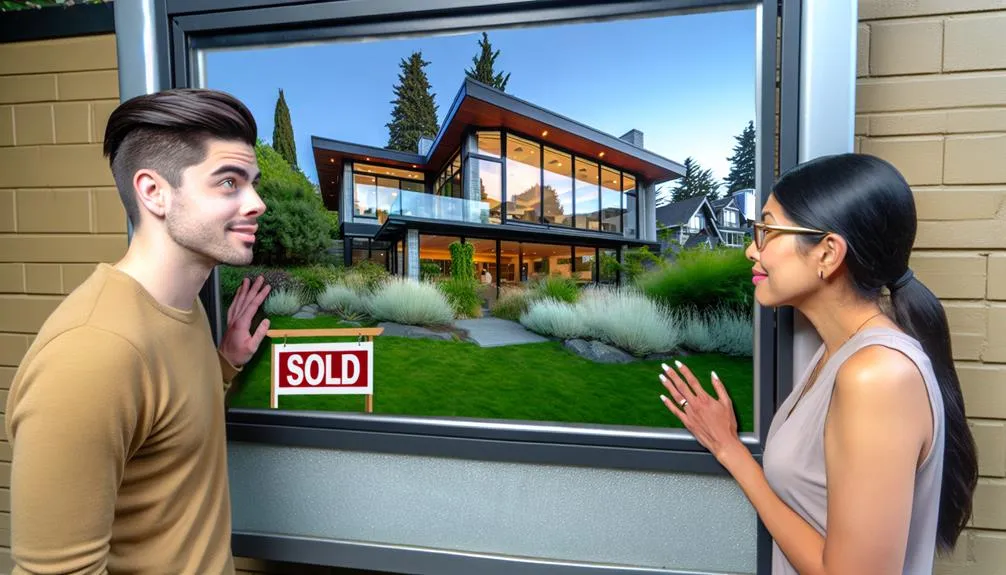
Seattle's housing market is changing fast, and it's getting tougher for folks to afford their first home. Here's what's happening with starter homes in Seattle:
- Income Requirements Spike: To snag a typical first home in Seattle, you now need to rake in nearly $142,000 a year. That's a 4% jump from last year.
- Balancing Price Drops: While starter home prices have dipped by 6%, higher mortgage rates are balancing out those savings, hitting affordability.
- Growing Demand Squeeze: There's a surge in folks hunting for affordable homes, which could push prices up even more, adding to the challenge for buyers.
- What's a Starter Home: According to Redfin, a starter home in Seattle's metro area goes for around $535,000 on average.
As starter home prices dance around with mortgage rates and demand, Seattle faces a crucial moment in keeping housing affordable for its residents.
Middle-Class Struggles in Seattle Housing Market
The Seattle housing market has been a rollercoaster for middle-class homebuyers, putting a serious squeeze on their wallets. To afford a typical home in the area now, you'd need to rake in about $214,000 a year – a steep climb from previous years.
Since 2020, the middle class has been feeling the pinch as mortgage payments shoot up faster than income. Despite a decent 22% rise in median income across Seattle from 2020 to 2024, middle-class folks are struggling to keep up with skyrocketing home prices. Many are now shelling out over 30% of their earnings just to keep a roof over their heads, throwing their financial stability off-kilter.
To tackle these soaring housing costs, some are teaming up with friends to buy property together or eyeing condos as more budget-friendly options. The battle for middle-class individuals to snag housing in Seattle highlights the urgent need for fresh ideas to make living more affordable and create a housing market that caters to everyone's income levels.
Future of Homeownership in Seattle

As Seattle's real estate scene continues to evolve, the future of owning a home is set to undergo significant changes due to soaring housing prices and shifting economic conditions. Seattle homebuyers are up against tough odds as the income needed to buy a home in the city has spiked from $120,000 to $214,000 in just four years, far exceeding the national average of $106,536.
Monthly mortgage payments in Seattle have also shot up by a whopping 92% since January 2020, now hitting $4,450, posing a growing challenge for residents looking to own a home on their own. Consequently, prospective buyers in Seattle are exploring new approaches such as pooling resources with friends or family to tackle the hurdle of high housing costs.
The future of homeownership in Seattle seems to be heading towards a scenario where teamwork and creative financial strategies are crucial for individuals to realize their dream of owning a home in this lively city.
Frequently Asked Questions
What Are the Current Interest Rates for Home Loans in Seattle?
If you're considering a home loan in Seattle, you can expect interest rates around 3.5% for a 30-year fixed-rate mortgage. Adjustable-rate mortgages (ARMs) typically start at 2.5%, while jumbo loans may have slightly higher rates. Keep in mind that your specific rate will depend on factors like your credit score, down payment amount, and the length of your loan term. It's essential to explore your options and work with a lender to find the best rate for your unique situation.
How Does Seattle's Property Tax Rate Affect Homeowners?
Property tax rates in Seattle can have a significant impact on homeowners, typically averaging around 1% of the assessed property value. This means that yearly bills can often climb up to $7,000, depending on fluctuations in property values. It's worth noting that there are exemptions available for individuals who meet certain criteria like age, disability, or income qualifications. These exemptions can provide some relief for those facing higher tax burdens. So, if you're a homeowner in Seattle, staying informed about these rates and potential exemptions can help you better manage your finances and plan ahead for any tax implications on your property.
Are There Any First-Time Homebuyer Programs Available in Seattle?
Absolutely, Seattle offers fantastic first-time homebuyer programs that can make your journey to owning a home smoother. These programs provide support like down payment assistance, educational resources, low-interest loans, and even grants. The Office of Housing oversees these initiatives, ensuring that eligible buyers receive the guidance they need to navigate the home buying process successfully.
What Neighborhoods in Seattle Are Considered More Affordable for Homebuyers?
Looking for affordable housing in Seattle? Neighborhoods like Everett, Lynnwood, and Pacific might just be the ticket. Eatonville and Lynnwood's zip codes 98037 and 98036 are on the upswing, while downtown areas such as 98104, 98102, and 98109 are showing promise for those seeking more budget-friendly options.
How Does the Seattle Housing Market Compare to Other Cities in the U.S.?
When it comes to the housing market in the U.S., Seattle really stands out with its high income requirements compared to other major cities. It's one of the top metro areas where affording a starter home is getting tougher as the income needed keeps going up, making it harder for middle-class folks to make ends meet.