
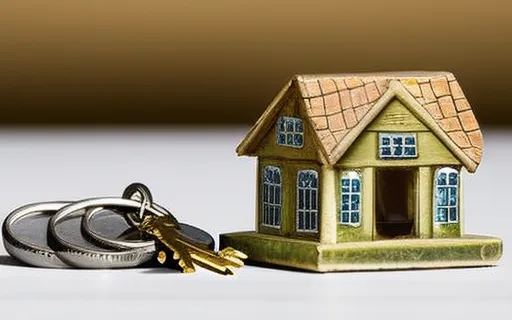
Understanding Foreclosure Properties
Foreclosure occurs when a homeowner defaults on their mortgage payments, and the lender repossesses the property. Foreclosure properties are homes that have gone through this process and are now being sold by the lender or through a public auction. These properties are often sold at a lower price than their market value, making them an attractive option for homebuyers.
Understanding foreclosure properties is important for anyone looking to purchase a home. Foreclosure properties can be found in various conditions, from move-in ready to requiring significant repairs. It’s crucial to thoroughly inspect a foreclosure property before making an offer to avoid any unexpected expenses or issues.
While buying a foreclosure property can be a great investment, it’s important to remember that the process can be complex. It’s essential to do your research and work with professionals, such as real estate agents and attorneys, to ensure a smooth transaction. Understanding the intricacies of foreclosure properties can help you make informed decisions and find your dream home at an affordable price.
Benefits of Buying a Foreclosure Property
Buying a foreclosure property can offer significant benefits to homebuyers. One of the biggest advantages is the potential to purchase the property at a lower price than market value. Because the previous owner defaulted on their mortgage, the bank or lender is eager to sell the property quickly and may be willing to accept a lower offer. This can save homebuyers thousands of dollars in the long run.

Another benefit of buying a foreclosure property is the opportunity to customize and renovate the home to fit their needs and preferences. Foreclosure properties are often sold as-is, meaning the previous owner may have left the property in poor condition. However, this provides buyers with the chance to make necessary repairs and upgrades to the property, increasing its value and creating a personalized space.
Finally, buying a foreclosure property can be a smart investment choice. With the potential for a lower purchase price and the ability to renovate and improve the property, homebuyers can increase the value of the property with little upfront investment. This can result in a profitable resale or rental opportunity in the future. Overall, buying a foreclosure property can offer a range of benefits for homebuyers looking to save money, customize their space, and make a smart investment choice.
Researching Foreclosure Properties in Your Area
Before you dive into buying a foreclosure property, it’s important to conduct thorough research on the properties available in your area. Begin by looking at local real estate listings, checking out online foreclosure databases, and contacting local lenders to see if they have any properties available for purchase.
Once you’ve identified potential properties, conduct a thorough assessment of the property’s condition, location, and market value. It’s essential to have a good understanding of the property’s history, including any liens or outstanding debts that may affect your purchase. Additionally, you should research the neighborhood and surrounding area to ensure it’s a good fit for you and your family.
Don’t hesitate to seek the advice of a local real estate agent who specializes in foreclosure properties. They can provide valuable insights into the local market, help you navigate the buying process, and offer guidance on making a competitive offer. With careful research and the right support, you can find a foreclosure property that meets your needs and budget.
Finding Foreclosure Properties Online
If you’re looking to buy a foreclosure property, one of the best places to start your search is online. There are numerous websites that specialize in listing foreclosure properties for sale. Some of these websites are free to use, while others may require a subscription or membership fee.
One advantage of using online resources is the ability to search for properties in a specific location. You can easily filter your search results by state, city, or even zip code to find properties that match your criteria. Additionally, many websites offer detailed property descriptions, photos, and even virtual tours, allowing you to get a better idea of the condition and features of the property before you decide to visit it in person.
When using online resources to find foreclosure properties, it’s important to be cautious and do your due diligence. Not all listings may be accurate or up-to-date, and there may be scams or fraudulent listings. It’s always a good idea to verify the information with a trusted source, such as a real estate agent or the bank that owns the property.
Working with a Real Estate Agent for Foreclosure Properties
When it comes to buying foreclosure properties, working with a real estate agent who specializes in these types of properties can be extremely beneficial. These agents have experience navigating the unique aspects of purchasing a foreclosure property and can guide buyers through the process. They can help buyers find suitable properties, negotiate with the bank or owner, and handle the paperwork involved in the purchase.
One of the main advantages of working with a real estate agent for foreclosure properties is access to a wider range of properties. Agents who specialize in foreclosures often have access to listings that may not be available to the general public. This can help buyers find properties that meet their specific needs and budget. Additionally, agents can provide valuable insight into the local market, including pricing trends and potential pitfalls to watch out for.
Another benefit of working with a real estate agent for foreclosure properties is their expertise in navigating the often-complex process of purchasing these types of properties. From negotiating with the bank or owner to handling the paperwork involved in the sale, agents can help buyers avoid common mistakes and ensure a smooth transaction. Ultimately, working with a knowledgeable agent can help buyers find and purchase a foreclosure property that meets their needs and budget.
Inspecting Foreclosure Properties
When inspecting a foreclosure property, it is important to have a trained eye and a keen attention to detail. Foreclosure properties may have been neglected or poorly maintained, which can lead to costly repairs and renovations. During the inspection, look for any signs of water damage, mold, or pest infestations. It is also important to check the foundation and structural integrity of the property.
Be sure to also inspect the electrical and plumbing systems, as these can also be a source of costly repairs. Check for any leaks or signs of damage in the plumbing, and ensure that the electrical system is up to code and functioning properly. It may also be helpful to bring along a contractor or home inspector to assist in the inspection process.
Keep in mind that foreclosure properties are typically sold as-is, meaning that the bank or owner is not responsible for any repairs or renovations. It is important to factor in the cost of any necessary repairs when considering purchasing a foreclosure property. With a thorough inspection and careful consideration, a foreclosure property can be a great investment opportunity.
Understanding the Auction Process for Foreclosure Properties
A foreclosure auction is a public sale of a property that has been foreclosed upon by the lender due to non-payment of mortgage. The auction process is typically overseen by a trustee or sheriff, and the winning bidder is required to pay the full amount of the winning bid immediately after the auction.
Before attending a foreclosure auction, it’s important to do your research and understand the rules and regulations of the auction process. You should also have a clear idea of the maximum amount you are willing to bid, and stick to it. It’s also important to note that some foreclosure auctions may require a deposit or proof of funds before bidding.
It’s important to keep in mind that purchasing a property at a foreclosure auction comes with risks and potential drawbacks. The property may have liens or other encumbrances, and there may be no opportunity to inspect the property before bidding. Additionally, if the property fails to sell at auction, it may become bank-owned and require a different purchasing process.
Financing Options for Foreclosure Properties
When it comes to financing options for foreclosure properties, there are a few routes you can take. One option is to obtain a conventional mortgage from a lender. However, keep in mind that this may be more difficult to secure for a foreclosure property, as lenders may be hesitant to finance a property with potential issues. Another option is to look into government-backed loans, such as FHA or VA loans, which may have more lenient requirements for foreclosed properties.
Another financing option is to consider a renovation loan, such as a 203(k) loan, which allows you to borrow money not only for the purchase of the property but also for its renovation. This can be a great option if the foreclosure property is in need of repairs or updates. However, keep in mind that these loans typically come with higher interest rates and stricter requirements.
Before deciding on a financing option for a foreclosure property, it’s important to do your research and compare rates and terms from different lenders. Additionally, it may be beneficial to consult with a financial advisor or real estate agent who has experience with foreclosure properties and can guide you towards the best financing option for your specific situation.
Making an Offer on a Foreclosure Property
When making an offer on a foreclosure property, it’s important to do your research and understand the market value of similar properties in the area. This will help you determine a fair offer price and increase the likelihood of your offer being accepted. Keep in mind that banks are typically looking to recoup their losses, so don’t expect to get a steep discount.
It’s also important to have your financing in order before making an offer on a foreclosure property. Many banks require proof of funds or a pre-approval letter from a lender. Having this information ready and available will show the bank that you are a serious buyer and increase your chances of having your offer accepted.
When submitting your offer, make sure to include any contingencies, such as a home inspection or financing contingency, that you want included in the contract. It’s important to protect yourself and ensure that you are getting a property that is worth the investment. Be prepared for the bank to counter your offer, and be willing to negotiate to come to a mutually beneficial agreement.
Negotiating with the Bank or Owner of a Foreclosure Property
When negotiating with the bank or owner of a foreclosure property, it’s important to understand that they are typically looking to sell the property quickly and may not be willing to entertain low-ball offers. However, this doesn’t mean that you can’t negotiate a lower price. Start by researching comparable properties in the area to get an idea of what the property is worth. Then, make an offer that is reasonable but still below the asking price. Be prepared to negotiate back and forth with the bank or owner until you reach a mutually acceptable price.
Another way to negotiate with the bank or owner of a foreclosure property is to offer incentives. For example, you could offer to close on the property quickly or to pay all cash. This shows the bank or owner that you are serious about buying the property and may make them more willing to negotiate on the price. Additionally, offering to take care of any repairs or renovations needed may also help you negotiate a lower price.
It’s important to remember that negotiating with the bank or owner of a foreclosure property can be a complex process. If you’re not confident in your negotiating skills, consider working with a real estate agent who has experience in dealing with foreclosure properties. They can help you navigate the negotiation process and ensure that you get the best possible deal on your new property.
Closing on a Foreclosure Property
After successfully negotiating with the bank or owner of a foreclosure property, it’s time to close the deal. At this stage, you’ll be required to sign a purchase agreement and make a deposit. The deposit is usually 10% of the purchase price and it shows your commitment to buying the property. You’ll also need to pay for inspections and other closing costs such as title search, attorney fees, and appraisal fees.
Before closing, you should review the purchase agreement and ensure that everything is in order. Check that the purchase price, closing date, and other terms and conditions are as agreed upon. If you have any questions or concerns, don’t hesitate to ask your real estate agent or attorney. Once you’re satisfied with the terms, sign the agreement and provide the deposit.
On the closing day, you’ll meet with the seller, real estate agents, attorneys, and any other parties involved in the sale. You’ll sign the final paperwork and pay the balance of the purchase price. You’ll receive the keys to the property and officially become the owner. Congratulations, you’ve successfully closed on a foreclosure property!
Renovating a Foreclosure Property
Renovating a foreclosure property can be a great way to turn a run-down house into your dream home. However, it’s important to approach the renovation process with caution and a clear plan. Before diving into any major renovations, make sure to thoroughly inspect the property for any structural or safety issues that need to be addressed first.
Once any necessary repairs have been made, focus on updating the property’s aesthetic appeal. This may include painting the walls, updating the flooring, and replacing fixtures such as light fixtures and faucets. Keep in mind that while it’s important to make the property look nice, you should also focus on making practical upgrades that will increase the home’s value and functionality.
One of the biggest advantages of renovating a foreclosure property is the ability to customize it to your specific needs and preferences. This may include adding additional rooms or expanding the living space. However, it’s important to keep in mind that major renovations can also be costly and time-consuming. Make sure to carefully consider your budget and timeline before embarking on any major renovation projects.
Avoiding Common Mistakes When Buying a Foreclosure Property
When buying a foreclosure property, it is important to avoid common mistakes that can lead to financial loss or legal issues. One common mistake is not conducting a thorough inspection of the property before making an offer. Foreclosure properties may have hidden damages or require extensive repairs, and not knowing this upfront can be costly.

Another mistake to avoid is not researching the property’s title and ownership history. Foreclosure properties may have liens or other legal issues that can affect the sale, and not understanding these can lead to complications during the buying process. It is important to work with a knowledgeable real estate agent or attorney who can assist in this research.
Finally, it is important to avoid making an emotional decision when buying a foreclosure property. It can be tempting to get caught up in the excitement of a good deal, but it is important to approach the purchase with a clear head and realistic expectations. Understanding the potential risks and costs associated with a foreclosure property can help buyers make an informed decision and avoid common mistakes.
Legal Considerations When Buying a Foreclosure Property
When buying a foreclosure property, it’s important to consider the legal aspects that come with it. One of the main legal considerations is the title of the property. Before making an offer, it’s important to conduct a title search to ensure that there are no liens, back taxes, or other legal issues that could affect your ownership of the property.
Another legal consideration is the possibility of eviction. If the previous owner is still residing in the property, you may need to go through the eviction process to legally gain possession of the property. This can be a lengthy and costly process, so it’s important to be prepared for this possibility and have a plan in place.
Finally, it’s important to understand the laws and regulations surrounding foreclosure sales in your state. Each state has its own laws and regulations regarding foreclosure sales, so it’s important to do your research and understand the process before making an offer on a property. Working with a knowledgeable real estate agent or attorney can also be helpful in navigating the legal aspects of buying a foreclosure property.
Maintaining a Foreclosure Property After Purchase
Maintaining a foreclosure property after purchase is an essential aspect of homeownership. It is important to keep the property in good condition to prevent further deterioration and maintain its value. Regular upkeep and repairs can also help prevent costly expenses down the road.
One of the first steps in maintaining a foreclosure property is to conduct a thorough inspection. This will allow you to identify any existing issues and develop a plan to address them. Some common issues that may need attention include plumbing and electrical problems, roofing and siding damage, and pest infestations.
Once you have identified any necessary repairs, it is important to stay on top of regular maintenance tasks. This can include tasks such as cleaning gutters, replacing air filters, and maintaining landscaping. By keeping up with these tasks, you can help ensure that your foreclosure property remains in good condition for years to come.