

Understanding Foreclosure Properties: A Beginner’s Guide
Foreclosure properties are homes that are taken back by the lender because the homeowner failed to make their mortgage payments. These properties are often sold at a discounted price, making them an attractive option for buyers looking for a deal. However, it’s important to understand that buying a foreclosure property can be a complex process, and there are risks involved.
One of the benefits of buying a foreclosure property is that you may be able to purchase a home for less than its market value. This can provide a great opportunity for first-time buyers, investors, or anyone looking to save money. In addition, foreclosure properties may be located in desirable neighborhoods or have unique features that make them stand out from other homes in the area.
Before you start looking for foreclosure properties, it’s important to identify the type of property that is right for you. There are several types of foreclosure properties, including bank-owned properties, pre-foreclosures, and auctions. Each type has its own advantages and disadvantages, so it’s important to do your research and choose the type of property that best fits your needs and budget.
The Benefits of Buying Foreclosure Properties
One of the main benefits of buying foreclosure properties is the potential for a lower purchase price. Because the previous owner defaulted on their loan, the bank or lender is often motivated to sell the property quickly to recoup their losses. This means that buyers may have the opportunity to purchase a home at a discounted price.
Another benefit of buying foreclosure properties is the potential for a faster closing process. Since the bank or lender is typically the seller, there is often less negotiation involved in the sales process. Additionally, the bank or lender may already have inspections and appraisals completed, which can expedite the closing process.
Finally, buying a foreclosure property can provide potential for a high return on investment. With the ability to purchase a property at a lower price and potentially make improvements, buyers may be able to sell the property for a profit in the future. Additionally, buying a foreclosure property as a rental property can provide a steady stream of income.
How to Identify the Right Type of Foreclosure Property for You
When it comes to buying foreclosure properties, it’s important to identify the right type of property that suits your needs. One of the first things to consider is the location of the property. Do you want to buy a property in a particular neighborhood or area? Are you looking for a property in a suburban or urban area? Determine your preferred location and search for foreclosure properties in that area.
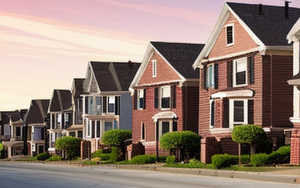
Next, consider the type of property you want to buy. Foreclosure properties can range from single-family homes to multi-unit buildings, condos, and townhouses. Each type of property has its own advantages and disadvantages, so it’s essential to weigh them before making a decision. For instance, single-family homes offer more privacy and space, while condos and townhouses are typically easier to maintain.
Finally, think about the condition of the property. Some foreclosure properties may require extensive repairs and renovations, while others may be in move-in condition. If you’re handy and willing to put in the work, a fixer-upper may be a good investment. However, if you’re not interested in taking on a major renovation, it’s best to look for a property that’s in good condition. By considering these factors, you can identify the right type of foreclosure property that fits your needs and budget.
The Pros and Cons of Buying Foreclosure Properties
Buying a foreclosure property can have its advantages and disadvantages. One of the main pros is the potential for a lower purchase price. Foreclosure properties are often sold below market value, making them an attractive option for buyers on a budget. Additionally, some foreclosure properties may come with additional incentives, such as the ability to negotiate repairs or closing costs with the seller.
However, there are also cons to buying a foreclosure property. One major downside is the potential for hidden costs and unexpected repairs. Foreclosed properties are often sold as-is, meaning that any necessary repairs or renovations are the responsibility of the buyer. This can add up quickly and eat into any potential savings from the lower purchase price. Additionally, the foreclosure process can be lengthy and complex, leading to delays in the purchasing process.
Another disadvantage to consider is the potential for competition. Because of the lower purchase price, foreclosure properties can be highly sought after, leading to bidding wars and multiple offers. This can make it difficult for buyers to secure the property they want, particularly if they are on a tight budget. It’s important to be prepared to act quickly and make strong offers if you want to successfully purchase a foreclosure property.
How to Find Foreclosure Properties in Your Area
One of the best ways to find foreclosure properties in your area is through online listings. Many real estate websites specialize in foreclosure properties, making it easy to search for properties by location, price range, and other criteria. You can also sign up for email alerts to be notified when new properties become available.
Another option is to work with a real estate agent who has experience in buying and selling foreclosure properties. They can provide valuable insight into the local market and help you find properties that meet your criteria. Plus, they may have access to listings that aren’t available to the general public.
Don’t forget to check local newspapers and classified ads for foreclosure auctions and sales. These events can be a great way to find properties at a discount, but it’s important to do your research beforehand and be prepared to act quickly. You’ll need to have your financing in order and be ready to make an offer on the spot.
The Importance of Researching Foreclosure Properties Before Buying
Before purchasing a foreclosure property, it is essential to conduct thorough research. This includes researching the property’s history, the neighborhood, and the current market conditions. It is also important to determine the condition of the property and any necessary repairs or renovations.
One of the benefits of researching foreclosure properties is that it allows buyers to identify potential issues before making an offer. This can include title issues, liens, or other legal complications. By conducting due diligence, buyers can avoid potential headaches and financial losses down the line.
Another reason why researching foreclosure properties is crucial is that it allows buyers to determine the fair market value of the property. This involves comparing the property to similar homes in the area and factoring in any necessary repairs or renovations. By doing so, buyers can avoid overpaying for the property and ensure that they are getting a good deal.
How to Determine the Value of a Foreclosure Property
To determine the value of a foreclosure property, the first step is to conduct a comparative market analysis (CMA) of the property. This involves researching the sales prices of similar properties in the area that have recently sold. By comparing the features and condition of these properties to the foreclosure property, you can get an idea of its fair market value.
Another important factor to consider when determining the value of a foreclosure property is its condition. Foreclosure properties are often sold as-is, meaning that any repairs or renovations needed are the responsibility of the buyer. It’s important to factor in the cost of any necessary repairs or upgrades when assessing the value of the property.
Lastly, it’s important to consider the foreclosure process itself when determining the value of a foreclosure property. If the property is in the pre-foreclosure stage, the seller may be more willing to negotiate on price in order to avoid the foreclosure process altogether. On the other hand, if the property has already gone through the foreclosure process and is being sold at auction, the price may be more competitive and difficult to negotiate. By taking all of these factors into account, you can make an informed decision about whether a foreclosure property is a good investment for you.
The Top Mistakes to Avoid When Buying Foreclosure Properties
One of the top mistakes to avoid when buying foreclosure properties is not doing enough research. It’s important to thoroughly research the property and the foreclosure process to understand any potential pitfalls or risks. This includes researching the property’s history, liens, and any potential legal issues that may arise. Additionally, it’s important to research the neighborhood and local housing market to ensure that the property’s value is in line with the surrounding area.
Another mistake to avoid is not getting a professional inspection. Foreclosure properties often come with unknown issues or damage, and a professional inspection can help uncover any potential problems. This can save you from costly repairs down the line and can also provide valuable information for negotiating the price.
Lastly, it’s important to avoid rushing into a purchase without considering all the costs involved. Foreclosure properties may come with unexpected fees or expenses, such as back taxes or necessary repairs. It’s important to factor in these costs when determining your budget and making an offer on the property. Rushing into a purchase without considering all the costs can lead to financial strain and potentially losing the property in the future.
How to Finance the Purchase of a Foreclosure Property
When it comes to financing the purchase of a foreclosure property, there are several options available. One option is to obtain a traditional mortgage from a lender. However, it’s important to note that some lenders may not be willing to finance a foreclosure property, especially if it’s in poor condition. It’s also important to have a good credit score and a stable income to qualify for a mortgage.
Another option is to consider a renovation loan, also known as a rehab loan. These loans provide funds to purchase the property and make necessary repairs and renovations. This can be a good option for buyers who are willing to invest time and money into fixing up the property. However, it’s important to carefully consider the costs and potential risks involved with renovating a foreclosure property.
Lastly, some buyers may choose to pay cash for a foreclosure property. This can be a good option for those who have the funds available and want to avoid the potential complications that come with traditional financing. However, it’s important to carefully consider the costs and potential risks involved with purchasing a foreclosure property with cash, such as the possibility of unexpected repairs and maintenance expenses.
The Role of Real Estate Agents in Buying Foreclosure Properties
Real estate agents can play a crucial role in helping buyers navigate the complex process of buying foreclosure properties. Agents with experience in foreclosure sales can provide valuable insights and advice, as well as help buyers identify suitable properties that meet their needs and budget.
One of the key advantages of working with a real estate agent when buying foreclosure properties is their access to a variety of resources and tools that can help them identify potential properties quickly and efficiently. Agents can use specialized software and databases to search for properties that meet specific criteria, such as location, price range, and condition.
In addition to helping buyers find suitable properties, real estate agents can also provide guidance and support throughout the buying process. They can help buyers understand the legal and financial implications of buying a foreclosure property, negotiate with the seller on their behalf, and ensure that all necessary paperwork and documentation are completed accurately and on time. Overall, working with a knowledgeable and experienced real estate agent can help buyers minimize risks and make informed decisions when buying foreclosure properties.
How to Make an Offer on a Foreclosure Property
When it comes to making an offer on a foreclosure property, it’s important to remember that the process can be quite different from buying a traditional home. First and foremost, you’ll need to work with the bank or lender that is selling the property, rather than dealing directly with the homeowner. This can create some additional hurdles and delays in the process, so be prepared to exercise patience.
One of the most important things you can do when making an offer on a foreclosure property is to work with a knowledgeable real estate agent who has experience in the foreclosure market. They can help guide you through the process, answer your questions, and ensure that you are making a competitive offer that has the best chance of being accepted. Your agent can also help you navigate any negotiations or counteroffers that may arise.
When making your offer, it’s important to be realistic about the condition of the property and any repairs or renovations that may be needed. Foreclosure properties are often sold as-is, which means that the bank or lender is not responsible for making any repairs or improvements. This can be a great opportunity to score a deal on a fixer-upper, but it also means that you need to take into account the cost of any necessary repairs when making your offer. Be sure to have the property inspected by a professional home inspector to get a better sense of its condition and any potential issues that may need to be addressed.
The Foreclosure Process: What You Need to Know
Foreclosure is a legal process in which a lender takes ownership of a property due to the borrower’s inability to make mortgage payments. The process usually begins when the borrower misses three to six payments. At this point, the lender sends a notice of default, giving the borrower a certain amount of time to make up the missed payments.
If the borrower fails to make up the missed payments or work out a payment plan with the lender, the property goes into foreclosure. The lender then auctions off the property to recover the amount owed. If the auction does not result in a sale, the lender takes ownership of the property and attempts to sell it through a real estate agent.
The foreclosure process can be lengthy and complicated, and it is important for buyers to understand the process before making an offer on a foreclosed property. Buyers should also be aware that the property may have liens or other encumbrances that will need to be addressed. It is important to work with a knowledgeable real estate agent and attorney to navigate the foreclosure process and ensure a successful purchase.
How to Inspect a Foreclosure Property Before Buying
When considering buying a foreclosure property, it is essential to conduct a thorough inspection before making an offer. This is because foreclosure properties are often sold as-is, meaning that the previous owner or bank does not make any repairs or renovations. Therefore, you need to examine the property carefully to determine what repairs and renovations are needed and estimate the cost of these improvements.
The first thing to consider when inspecting a foreclosure property is the condition of the exterior. Walk around the property and look for any signs of damage, such as cracks in the foundation, missing shingles, or damaged siding. Inspect the windows and doors to make sure they are in good condition and functioning correctly. Additionally, look for any signs of water damage, such as water stains or mold.

Next, it is essential to examine the interior of the foreclosure property thoroughly. Check the walls, ceilings, and flooring for any signs of damage or wear and tear. Look for any signs of pests, such as droppings, chewed wiring, or holes in walls. Inspect the electrical and plumbing systems to make sure they are up to code and functioning correctly. It is also advisable to hire a professional home inspector to conduct a more comprehensive inspection of the property.
The Legal Considerations of Buying Foreclosure Properties
Legal considerations are an essential part of any real estate purchase, and buying a foreclosure property is no exception. One of the most important legal considerations is understanding the foreclosure process in your state. Depending on where you live, the foreclosure process may vary, and it’s crucial to know the laws and regulations that govern the process to avoid any legal issues down the road.
When buying a foreclosure property, it’s also essential to understand any liens or outstanding debts attached to the property. In some cases, there may be unpaid taxes or other liens that could affect your ability to take ownership of the property. Working with a real estate agent or attorney who specializes in foreclosures can help you identify any potential legal issues and navigate the process.
Another legal consideration is the condition of the property itself. When purchasing a foreclosure property, it’s crucial to have a thorough inspection of the property to identify any potential issues or hazards. If there are any known defects or issues with the property, the seller may be required to disclose them. However, it’s always best to do your due diligence and have an independent inspection completed. This can help you avoid any legal issues that could arise from undisclosed defects or hazards.
Tips for Successfully Closing on a Foreclosure Property
When it comes to successfully closing on a foreclosure property, there are a few important tips to keep in mind. First and foremost, it’s essential to have all of your finances in order before making an offer. This means having a pre-approval letter from your lender and enough funds for a down payment and closing costs.
Another important tip is to be prepared for a potentially lengthy and complex closing process. Foreclosure properties often come with additional legal and financial considerations, so it’s important to have a team of professionals on your side, including a real estate agent, attorney, and home inspector.
Finally, be prepared to act quickly once your offer has been accepted. With foreclosure properties, there is often a tight timeline for closing, so it’s important to have all necessary paperwork and inspections completed as soon as possible. By following these tips, you can increase your chances of successfully closing on a foreclosure property and securing a great deal on your next home.