

Understanding your budget and financial readiness
Before embarking on your home-buying journey, it’s important to have a clear understanding of your budget and financial readiness. This involves taking a close look at your income, expenses, and debts to determine how much you can comfortably afford to spend on a home. It’s also important to consider other factors like your credit score, savings, and employment stability.
When assessing your budget, it’s important to factor in all of the costs associated with buying a home, including the down payment, closing costs, and ongoing expenses like property taxes, homeowners insurance, and maintenance. It’s also a good idea to get pre-approved for a mortgage so you know exactly how much you can borrow and what your monthly payments will be.
In addition to assessing your finances, it’s important to have a plan for saving up for a down payment and other costs associated with buying a home. This may involve cutting back on expenses, finding ways to increase your income, or exploring alternative financing options like government-backed loans or down payment assistance programs. With a clear understanding of your budget and financial readiness, you’ll be better equipped to navigate the home-buying process and find a home that meets your needs and fits your budget.
Researching and selecting a suitable neighborhood
When searching for a new home, one of the most important factors to consider is the neighborhood. It’s essential to research and select a suitable neighborhood that meets your needs and preferences. Start by identifying what’s important to you, such as proximity to work, schools, shopping, or entertainment.
Once you have a list of your priorities, begin researching neighborhoods that fit your criteria. You can use online resources, such as neighborhood guides and real estate websites, to get an idea of what each area offers. It’s also a good idea to drive or walk through the neighborhoods you’re interested in to get a feel for the area and see if it meets your expectations.
When selecting a neighborhood, it’s important to consider factors such as safety, affordability, and community amenities. Look for areas with low crime rates, reasonable home prices, and access to parks, restaurants, and other amenities. Keep in mind that the neighborhood you choose will impact your daily life, so take the time to research and select one that meets your needs and preferences.
Finding a reliable real estate agent
When it comes to finding a reliable real estate agent, it’s important to do your research. Start by asking for recommendations from friends and family who have recently bought or sold a home. You can also read online reviews and check the agent’s credentials to ensure they are licensed and experienced. It’s crucial to find someone who understands your needs and preferences and can guide you through the home-buying process with ease.
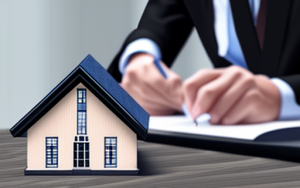
Once you’ve narrowed down a list of potential agents, schedule a meeting or interview to get a better sense of their communication style and approach. You want to work with someone who is responsive, transparent, and has your best interests in mind. During the meeting, ask about their experience in your desired neighborhood, their success rate with similar clients, and how they plan to market your property or find your dream home.
When choosing a real estate agent, remember that you are entering into a professional relationship that requires trust and open communication. It’s important to feel comfortable with your agent and to be clear about your expectations and concerns. With the right agent by your side, you can navigate the complex world of real estate with ease and confidence.
Identifying your must-haves and deal-breakers
When searching for your dream home, it’s important to identify your must-haves and deal-breakers. These are non-negotiable factors that will determine whether or not a property is suitable for you. Must-haves may include the number of bedrooms, a certain type of kitchen, or a backyard for your pets. Deal-breakers, on the other hand, may include a high crime rate, a noisy street, or a lack of natural light.
To identify your must-haves and deal-breakers, take the time to think about what you really value in a home. Make a list of features that are essential for your lifestyle, and then prioritize them in order of importance. Remember that your priorities may change over time, so be willing to adjust your list as needed.
Once you have a clear idea of your must-haves and deal-breakers, communicate them to your real estate agent. This will help them narrow down the search and find properties that meet your specific needs. Keep in mind that while some compromises may be necessary, it’s important to stick to your non-negotiables in order to find a home that truly meets your needs.
Viewing potential homes and making an offer
Once you have narrowed down your list of potential homes, it’s time to start viewing them in person. It’s important to schedule appointments with the selling agent or owner to ensure that you have enough time to view the property thoroughly. During the viewing, take note of any potential issues or repairs that may need to be addressed. It’s also a good idea to take photos or videos to review later.
After viewing a property that you are interested in, it’s time to make an offer. Your real estate agent can help you determine a fair offer price based on comparable sales in the area and the condition of the property. Be prepared to negotiate with the seller, as they may counter your offer. It’s important to stay within your budget and not get caught up in a bidding war that may lead to financial strain.
Once your offer has been accepted, it’s time to move forward with the purchase process. Your real estate agent will help you review and sign the purchase agreement, which outlines the terms and conditions of the sale. It’s important to carefully review this document and ask any questions before signing. At this point, you will likely need to provide a deposit to secure the sale. Congratulations, you are on your way to becoming a homeowner!
Negotiating the purchase price and terms
When it comes to negotiating the purchase price and terms of a home, it’s important to have a clear understanding of your budget and financial readiness beforehand. This will not only give you a sense of what you can afford, but it will also help you determine what you’re willing to pay for a property. Keep in mind that the seller may have their own expectations for the sale, so be prepared to negotiate and find common ground.
One key factor to consider when negotiating is the condition of the property. If there are any issues that need to be addressed, such as repairs or upgrades, this can be used as leverage to negotiate a lower price. Additionally, if the property has been on the market for a while, the seller may be more willing to negotiate in order to close the sale.
Another important aspect of negotiating is the terms of the sale. This includes items such as the closing date, contingencies, and any personal property that may be included in the sale. Make sure to communicate your needs and preferences clearly with your real estate agent, as they can help facilitate the negotiation process and ensure that your interests are represented.
Conducting a home inspection and appraisal
When purchasing a home, it is crucial to have it inspected and appraised before finalizing the sale. A home inspection assesses the condition of the property and identifies any necessary repairs or maintenance. Appraisal, on the other hand, determines the market value of the house based on its size, location, and other factors.
During a home inspection, a licensed inspector will examine the property’s structural components, such as the foundation, roof, and walls. They will also check for any electrical, plumbing, or HVAC issues and evaluate the condition of appliances, windows, and doors. After the inspection, the inspector will provide a detailed report highlighting any problems found and recommending necessary repairs.
An appraisal involves a licensed appraiser evaluating the property’s worth based on its location, size, features, and recent sales of comparable properties in the area. The appraiser will also consider any upgrades or renovations made to the house. The appraisal report provides an unbiased estimate of the property’s value, which is essential for securing a mortgage loan and negotiating the purchase price.
Reviewing and signing the purchase agreement
After viewing potential homes and finding the perfect one, the next step in the home buying process is reviewing and signing the purchase agreement. This legal document outlines the terms and conditions of the sale, including the purchase price, closing date, and any contingencies. It is important to thoroughly review the agreement and seek the advice of a real estate attorney if needed.
Before signing the purchase agreement, it is crucial to ensure that all terms are agreed upon by both the buyer and seller. Any changes or amendments should be clearly communicated and documented in writing. It is also important to verify that all necessary inspections and appraisals have been completed and any necessary repairs or adjustments have been made.
Once both parties have agreed to the terms and the purchase agreement is signed, it becomes a legally binding contract. It is important to keep a copy of the agreement and any related documents in a safe place for future reference. With the purchase agreement finalized, the next step is securing financing and preparing for closing costs and fees.
Securing a mortgage and financing options
After identifying your must-haves and deal-breakers and viewing potential homes, it’s time to secure a mortgage and financing options for your dream home. One of the first steps is to get pre-approved for a mortgage by a lender. This will help you determine how much money you can borrow and what your monthly payments will be. Pre-approval also shows sellers that you are a serious buyer and can expedite the home buying process.
There are different types of mortgages to consider, including fixed-rate and adjustable-rate mortgages. A fixed-rate mortgage offers a stable interest rate and monthly payment for the life of the loan. An adjustable-rate mortgage has a variable interest rate that can fluctuate over time. It’s important to weigh the pros and cons of each option and choose the one that best fits your financial situation and long-term goals.
In addition to mortgages, there may be other financing options available to you, such as government programs or assistance from non-profit organizations. It’s important to research and explore all options to find the best fit for your needs. Working with a financial advisor or mortgage broker can also provide valuable guidance throughout the process of securing a mortgage and financing options.
Preparing for closing costs and fees
When you’re preparing to buy a home, it’s important to remember that there are a variety of fees and closing costs associated with the purchase. These costs can add up quickly, so it’s important to plan accordingly and be prepared to pay them at closing. Some common closing costs include attorney fees, title search fees, and appraisal fees.
One of the biggest expenses you’ll likely encounter is the down payment on your home. This is typically a percentage of the total purchase price, and can range from 3% to 20% depending on your lender and financial situation. It’s important to save up for your down payment well in advance, and to have a clear understanding of your lender’s requirements when it comes to down payments.

In addition to your down payment and closing costs, you’ll also need to be prepared for ongoing expenses like property taxes, homeowner’s insurance, and maintenance and repair costs. These costs can vary depending on where you live and the condition of your home, so it’s important to do your research and budget accordingly. By planning ahead and being prepared for these expenses, you can make sure that your home purchase is a smart and sustainable investment for your future.
Obtaining homeowner’s insurance
Homeowner’s insurance is a crucial part of owning a home. It protects you against losses and damages to your property and possessions caused by natural disasters, theft, and other incidents. When obtaining homeowner’s insurance, it’s important to shop around and compare policies from different insurance providers to get the best coverage at the best price.
To determine how much coverage you need, consider the value of your home and its contents. You should also take into account any additional risks in your area, such as flood or earthquake zones. Be sure to read the policy carefully and understand what it covers and what it does not. Some policies have exclusions or limitations, so it’s important to ask questions and clarify any concerns with your insurance provider.
When selecting an insurance provider, look for a company with a good reputation for customer service and claims handling. You should also consider the financial stability of the company, as you want to ensure they will be able to pay out claims if necessary. Once you have chosen a policy and provider, make sure to keep your policy up to date and inform your insurance company of any changes to your property or possessions.
Finalizing the closing process
After the home inspection and appraisal are complete, and the purchase agreement has been signed, it’s time to finalize the closing process. This involves reviewing all the necessary paperwork, including the mortgage and financing documents, title insurance, and closing costs. The closing process typically takes a few hours, during which time the buyer and seller will meet with their respective lawyers and sign all the necessary documents.
One of the most important documents that will be signed during the closing process is the deed. This is the legal document that transfers ownership of the property from the seller to the buyer. The deed will be recorded with the county recorder’s office, and the buyer will receive a copy of the recorded deed as proof of ownership.
Another important aspect of the closing process is the payment of closing costs. These costs typically include fees for the title search, title insurance, appraisal, and other services related to the purchase of the home. The buyer should receive a detailed breakdown of all the closing costs prior to the closing date, so they know exactly what to expect. It’s important to have enough money set aside to cover these costs, as they can add up quickly.
Moving into your new home
After all the hard work and anticipation, you are finally ready to move into your new home. Before the move-in day, make sure you have all the necessary utilities set up and activated, such as electricity, gas, water, and internet. It’s also important to change your address with the post office, update your driver’s license and voter registration, and inform your bank and other important contacts of your new address.
On the day of the move, make sure to have a plan in place for the movers or for moving your belongings yourself. Label boxes clearly and carefully, and make sure to pack a box of essentials that you will need immediately upon arrival, such as toiletries, bedding, and towels. It’s also a good idea to take photos of the condition of your new home before moving in, in case there are any disputes with the landlord or seller later.
Once you have settled into your new home, take some time to explore the neighborhood and get to know your neighbors. This can help you feel more connected to your new community and can also be helpful in case of emergencies. Remember that homeownership comes with responsibilities, such as maintenance and repairs, so make sure to stay on top of these tasks to keep your home in good condition. Congratulations on your new home!
Maintaining and improving your property
Regular maintenance and upkeep are crucial to preserving the value and functionality of your home. This includes tasks such as cleaning gutters, replacing air filters, and checking for leaks or damage. It’s important to tackle these tasks on a regular basis to prevent small problems from turning into bigger, more expensive ones.
In addition to regular maintenance, homeowners often want to make improvements to their property. Whether it’s adding a new deck or updating a kitchen, home renovations can be a great way to increase the value of your home and make it more enjoyable to live in. However, it’s important to carefully plan and budget for these projects to ensure they are worth the investment.
When it comes to home maintenance and improvements, it’s important to know your limits. Some tasks may require the skills and experience of a professional, such as electrical or plumbing work. It’s always better to be safe than sorry, so don’t hesitate to call in a professional if you’re unsure about tackling a particular project on your own. By taking care of your home and making smart improvements, you can enjoy your property for many years to come.
Understanding your rights and responsibilities as a homeowner
As a homeowner, it is important to understand your rights and responsibilities. One of your rights is the freedom to make changes to your property, as long as they comply with local laws and regulations. You also have the right to privacy and the ability to enjoy your property without interference from others. However, it is important to remember that with these rights come responsibilities. You must maintain your property, follow local building codes and zoning laws, and be a good neighbor to those around you.
Another responsibility of homeownership is paying property taxes. These taxes fund local services such as schools, police and fire departments, and road maintenance. Failure to pay property taxes can result in penalties, liens, and even foreclosure. It is important to budget for these expenses and stay current on payments to avoid any legal consequences.
Homeowners also have the responsibility to maintain their property in a safe and habitable condition. This includes regular maintenance such as cleaning gutters, repairing leaks, and replacing worn-out appliances. It is also important to address any safety hazards such as broken stairs, faulty electrical systems, or mold growth. Failure to maintain your property can result in decreased property value, legal liabilities, and even health risks for you and your family.